
 EN
EN
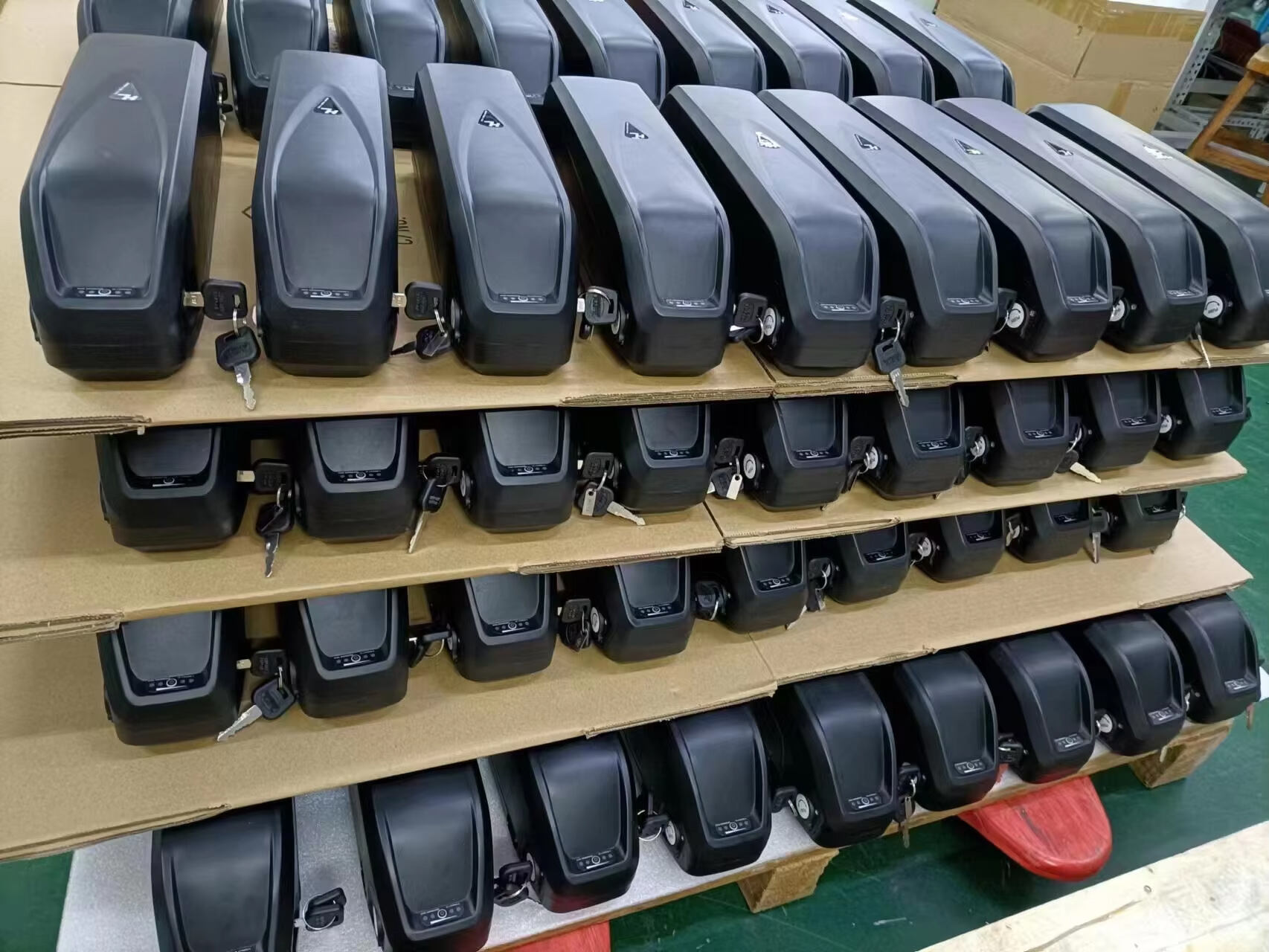
Modern electric vehicles and e-bikes rely heavily on advanced battery technology to deliver consistent performance and extended range. Among the most popular choices for these applications is the 48v 30ah battery, which offers an optimal balance between power output and energy storage capacity. Understanding how to properly maintain these sophisticated power systems is crucial for maximizing their lifespan and ensuring reliable operation throughout their service life. Proper maintenance practices can extend battery life by several years while maintaining peak performance levels.
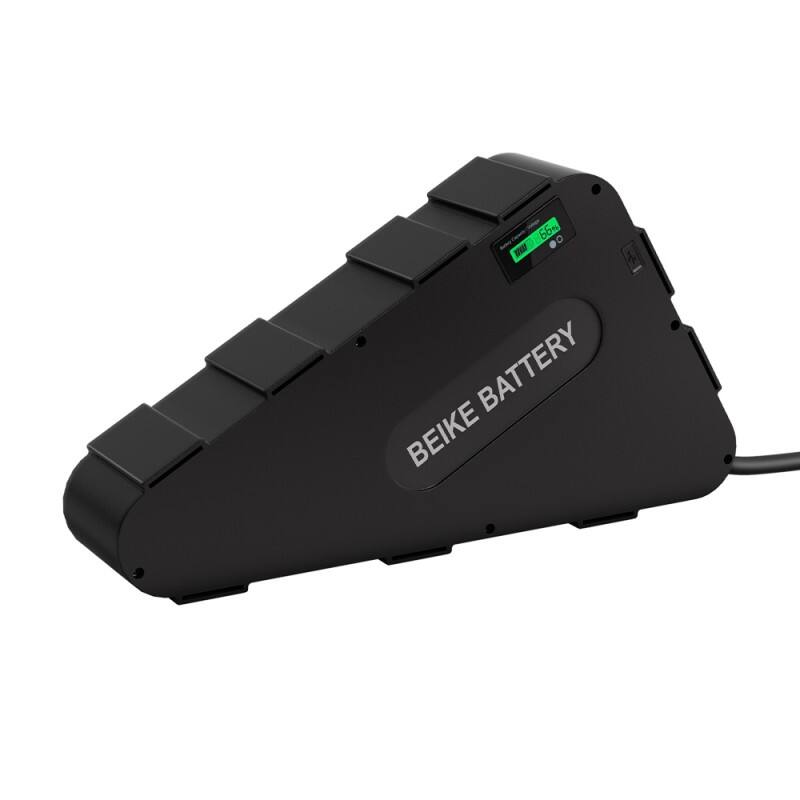
Battery maintenance extends far beyond simple charging routines and requires a comprehensive understanding of lithium-ion chemistry and thermal management principles. The 48v 30ah battery configuration represents a significant investment in electric mobility technology, making proper care essential for protecting this valuable asset. Environmental factors, usage patterns, and storage conditions all play critical roles in determining overall battery longevity and performance characteristics.
Understanding Battery Chemistry and Performance Characteristics
Lithium-Ion Cell Technology Fundamentals
The internal structure of a 48v 30ah battery consists of multiple lithium-ion cells arranged in series and parallel configurations to achieve the desired voltage and capacity specifications. Each individual cell operates through electrochemical reactions that move lithium ions between positive and negative electrodes during charging and discharging cycles. Understanding this fundamental process helps users appreciate why certain maintenance practices are essential for preserving cell integrity and preventing premature degradation.
Cell balancing mechanisms within the battery management system ensure that all cells maintain similar voltage levels throughout the charge and discharge process. This sophisticated technology prevents individual cells from becoming overcharged or deeply discharged, which could lead to permanent damage or reduced capacity. Regular monitoring of cell balance indicators helps identify potential issues before they become serious problems affecting overall battery performance.
Capacity Degradation Patterns
Battery capacity naturally decreases over time due to various chemical and physical processes occurring within the lithium-ion cells. Typical degradation patterns show gradual capacity loss of approximately two to three percent per year under normal operating conditions. However, improper maintenance practices can accelerate this degradation significantly, reducing the useful life of the 48v 30ah battery system by several years.
Temperature exposure represents one of the most significant factors affecting capacity degradation rates. High temperatures accelerate chemical reactions within the battery cells, leading to faster capacity loss and potential safety issues. Conversely, extremely low temperatures can temporarily reduce available capacity and increase internal resistance, affecting performance characteristics during cold weather operations.
Optimal Charging Strategies and Techniques
Proper Charging Voltage and Current Settings
Establishing correct charging parameters is fundamental to maintaining optimal battery health and preventing damage from overvoltage or excessive current conditions. The standard charging voltage for a 48v 30ah battery typically ranges between 54.6 and 58.8 volts, depending on the specific cell chemistry and configuration used in the battery pack. Exceeding these voltage limits can cause permanent damage to individual cells and compromise overall system safety.
Charging current should be limited to prevent excessive heat generation and stress on the battery cells during the charging process. Most manufacturers recommend charging currents between 0.2C and 0.5C, where C represents the battery capacity in ampere-hours. For a 30ah battery, this translates to charging currents between 6 and 15 amperes, ensuring safe and efficient energy transfer without compromising cell longevity.
Charging Frequency and Depth of Discharge
Modern lithium-ion batteries perform best when maintained within specific state-of-charge ranges rather than being fully discharged before recharging. Shallow discharge cycles, typically keeping the battery between 20 and 80 percent capacity, significantly extend overall cycle life compared to deep discharge patterns. This approach reduces stress on the battery cells and maintains optimal performance characteristics over extended periods.
Frequent partial charging is actually beneficial for lithium-ion battery longevity, contrary to older battery technologies that suffered from memory effects. The 48v 30ah battery can be charged whenever convenient without waiting for complete discharge, making it highly suitable for daily use applications where charging opportunities are frequent and predictable.
Environmental Storage and Operating Conditions
Temperature Management Strategies
Maintaining appropriate temperature conditions is critical for preserving battery performance and extending operational life. Ideal storage and operating temperatures for lithium-ion batteries range between 15 and 25 degrees Celsius, with relative humidity levels between 45 and 65 percent. Extreme temperature variations can cause thermal stress within the battery cells, leading to accelerated aging and reduced capacity over time.
During cold weather operations, battery performance may be temporarily reduced due to increased internal resistance and slower chemical reaction rates. Pre-warming the battery before use can help maintain optimal performance levels, while insulation during storage prevents excessive temperature fluctuations that could damage sensitive battery components.
Humidity and Environmental Protection
Excessive moisture exposure can cause corrosion of electrical connections and damage to battery management system components. Proper sealing and protection from water ingress is essential for maintaining reliable operation, especially in outdoor applications where weather exposure is unavoidable. Regular inspection of battery housing integrity helps identify potential moisture entry points before serious damage occurs.
Dust and debris accumulation on battery terminals and cooling surfaces can impair heat dissipation and create electrical resistance issues. Regular cleaning with appropriate solvents and protective treatments helps maintain optimal electrical connections and thermal management performance throughout the battery service life.
Monitoring and Diagnostic Procedures
Regular Performance Assessment
Systematic monitoring of battery performance parameters provides early warning of potential issues and helps optimize maintenance schedules. Key indicators include capacity measurements, internal resistance values, and cell voltage balance readings taken under controlled conditions. Documenting these measurements over time reveals trends that indicate normal aging patterns versus abnormal degradation requiring corrective action.
Advanced battery management systems provide real-time monitoring of critical parameters including temperature, voltage, and current flow. Understanding how to interpret these readings and recognize warning signs of potential problems enables proactive maintenance approaches that prevent minor issues from developing into major failures requiring expensive repairs or replacement.
Troubleshooting Common Issues
Common battery problems include reduced capacity, unbalanced cell voltages, and excessive self-discharge rates during storage periods. Each of these issues has specific diagnostic procedures and potential solutions ranging from simple recalibration to more complex cell replacement procedures. Early detection through regular monitoring significantly improves the likelihood of successful repairs and extends overall battery life.
Thermal runaway conditions represent the most serious safety concern with lithium-ion batteries and require immediate attention when detected. Warning signs include unusual heating, swelling, or unusual odors emanating from the battery pack. Understanding proper emergency procedures and having appropriate safety equipment available is essential for preventing serious accidents or property damage.
Long-Term Storage and Seasonal Maintenance
Preparation for Extended Storage
When storing a 48v 30ah battery for extended periods, proper preparation is essential to prevent permanent damage and maintain optimal performance when the battery returns to service. The ideal storage charge level is approximately 50 to 60 percent of full capacity, which minimizes stress on the battery cells while providing sufficient energy to maintain internal systems during storage.
Storage location selection significantly impacts battery longevity during inactive periods. Cool, dry environments with stable temperatures between 10 and 20 degrees Celsius provide optimal conditions for long-term storage. Avoiding areas with temperature fluctuations, direct sunlight, or high humidity levels helps preserve battery performance and prevents accelerated aging during storage periods.
Periodic Maintenance During Storage
Batteries in long-term storage require periodic attention to maintain optimal condition and prevent irreversible capacity loss. Monthly voltage checks and quarterly capacity assessments help identify any issues developing during storage periods. If voltage levels drop significantly, brief charging sessions may be necessary to prevent deep discharge conditions that could permanently damage the battery cells.
Seasonal maintenance schedules should include comprehensive inspections of all battery components, connections, and protective systems. This includes checking for corrosion, loose connections, and proper operation of safety systems. Documentation of maintenance activities helps track battery condition over time and provides valuable information for optimizing future maintenance procedures.
Safety Protocols and Best Practices
Personal Safety Equipment
Working with high-capacity lithium-ion batteries requires appropriate personal protective equipment and safety procedures to prevent injury or property damage. Basic safety equipment includes insulated tools, safety glasses, and protective gloves rated for electrical work. Understanding the potential hazards associated with battery maintenance helps ensure safe working conditions and prevents accidents during routine maintenance activities.
Emergency response procedures should be established before beginning any battery maintenance work. This includes having appropriate fire suppression equipment available and understanding proper procedures for dealing with thermal runaway events. Training on proper emergency response procedures helps ensure quick and effective action if safety issues arise during maintenance operations.
Handling and Transportation Guidelines
Proper handling techniques prevent physical damage to battery cells and protective systems during maintenance and transportation activities. Batteries should always be supported properly and protected from impact or vibration that could damage internal components. Using appropriate lifting equipment and securing methods prevents accidents and maintains battery integrity during movement operations.
Transportation regulations for lithium-ion batteries include specific packaging requirements and documentation procedures that must be followed when shipping batteries for service or replacement. Understanding these regulations helps ensure compliance with safety requirements and prevents delays or penalties during shipping operations.
FAQ
How often should I charge my 48v 30ah battery for optimal performance
For optimal performance and longevity, charge your battery whenever convenient rather than waiting for complete discharge. Lithium-ion technology performs best with frequent partial charging, ideally maintaining charge levels between 20 and 80 percent. Daily charging after use is perfectly acceptable and actually beneficial for battery health, unlike older battery technologies that suffered from memory effects.
What temperature conditions are best for battery storage and operation
The ideal temperature range for both storage and operation is between 15 and 25 degrees Celsius with moderate humidity levels. Extreme temperatures should be avoided as they accelerate battery aging and can reduce performance. During cold weather, consider pre-warming the battery before use, and in hot conditions, ensure adequate ventilation and cooling to prevent overheating.
How can I tell if my battery needs replacement or repair
Key indicators that your battery may need attention include significantly reduced range or capacity, uneven cell voltages, excessive heating during charging or use, and unusual swelling or physical deformation. Regular monitoring of these parameters helps identify issues early when repairs may still be possible, rather than waiting for complete failure.
Is it safe to leave my battery connected to the charger permanently
Modern battery management systems typically include overcharge protection, but it is still not recommended to leave batteries connected to chargers permanently. Once charging is complete, disconnect the charger to prevent unnecessary stress on the battery cells and reduce energy consumption. Smart chargers with automatic shutoff features provide additional protection but should not be relied upon exclusively for battery safety.