
 EN
EN
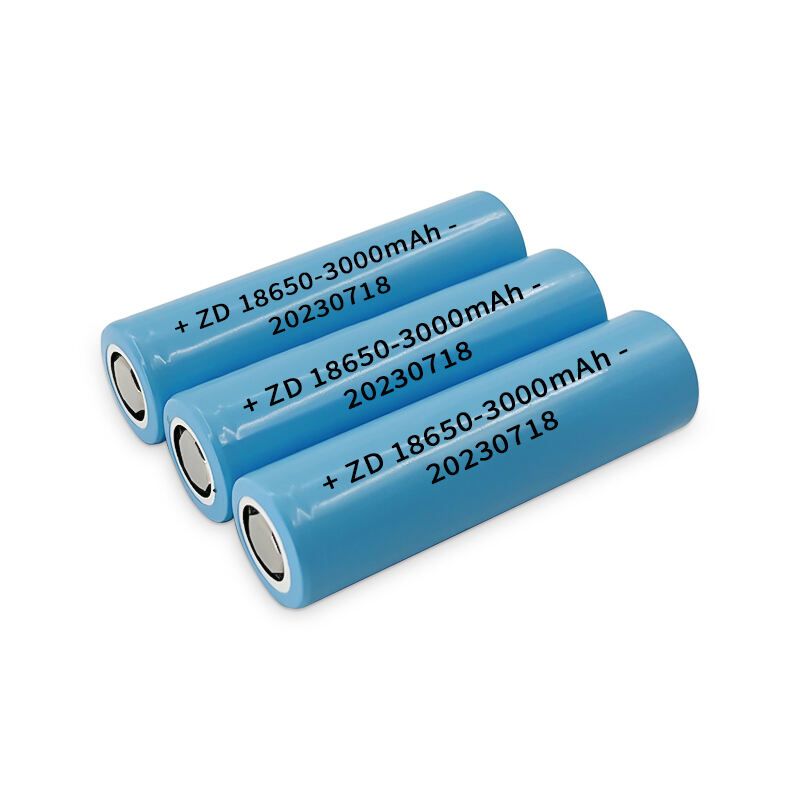
Selecting the appropriate 18650 battery for your electronic devices requires understanding various technical specifications and performance characteristics. These cylindrical lithium-ion cells have become the industry standard for numerous applications, from power tools to electric vehicles, due to their optimal balance of capacity, power output, and safety features. Making an informed choice involves evaluating your device's specific requirements against the battery's capabilities to ensure optimal performance and longevity.
Understanding 18650 Battery Specifications
Capacity and Energy Storage
The capacity of an 18650 battery, measured in milliampere-hours (mAh), determines how long your device will operate on a single charge. Standard consumer cells typically range from 2000mAh to 3500mAh, with higher capacity batteries generally providing longer runtime but potentially lower maximum current output. Understanding your device's power consumption patterns helps determine whether you need maximum capacity or balanced performance characteristics.
Energy density varies significantly between different cell chemistries and manufacturers. High-capacity cells often utilize advanced electrode materials that maximize energy storage within the standard 18650 form factor. However, these improvements sometimes come with trade-offs in terms of discharge rates, cycle life, or thermal stability that must be considered for your specific application.
Voltage Characteristics and Discharge Curves
Most 18650 batteries operate at a nominal voltage of 3.6V to 3.7V, with fully charged voltage reaching approximately 4.2V and safe discharge cutoff typically around 2.5V to 3.0V. The discharge curve shape affects how your device performs as the battery depletes, with some applications requiring flat discharge curves to maintain consistent performance throughout the entire capacity range.
Understanding voltage requirements becomes critical when configuring battery packs or selecting cells for devices with specific voltage thresholds. Some devices perform optimally within narrow voltage ranges, making cell selection crucial for maintaining functionality and preventing premature low-voltage shutdowns that could interrupt important operations or data collection processes.
Performance Requirements and Application Matching
Current Rating and Power Delivery
The continuous discharge rating of an 18650 battery determines its ability to deliver sustained power to high-drain devices. Consumer cells typically provide 5A to 10A continuous discharge, while high-drain variants can deliver 20A or more. Matching the current rating to your device's requirements prevents voltage sag, overheating, and premature battery degradation that occurs when cells operate beyond their design limits.
Peak current capabilities often exceed continuous ratings for brief periods, enabling devices to handle startup surges or momentary high-power demands. However, relying on peak ratings for sustained operation can lead to thermal issues and reduced cycle life. Professional applications often require cells specifically designed for high-current scenarios, with enhanced thermal management and robust internal construction.
Cycle Life and Durability Considerations
Cycle life represents the number of charge-discharge cycles a battery can complete while maintaining acceptable capacity retention, typically defined as 80% of original capacity. Quality 18650 cells can achieve 500 to 1000+ cycles under proper operating conditions, though actual performance depends heavily on discharge depth, charging practices, and environmental factors.
Temperature tolerance affects both immediate performance and long-term durability. Most consumer-grade cells operate effectively between 0°C and 45°C, while specialized variants extend these ranges for industrial applications. Extreme temperatures accelerate capacity degradation and can pose safety risks, making thermal management a critical consideration in battery selection and system design.
Safety Features and Protection Mechanisms
Built-in Protection Circuits
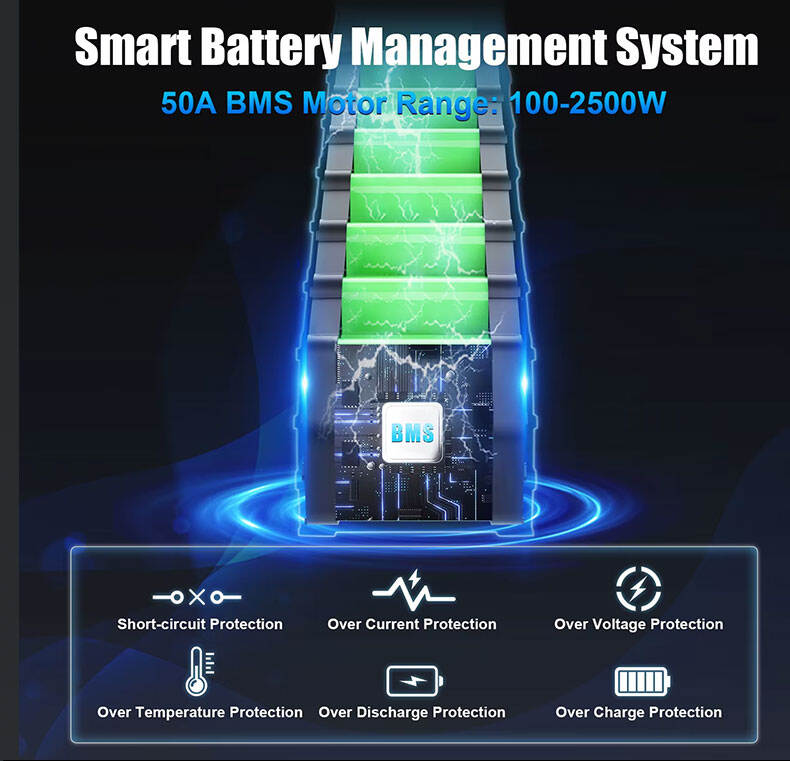
Protected 18650 batteries incorporate small circuit boards that monitor voltage, current, and temperature to prevent dangerous operating conditions. These protection circuits interrupt power flow during overcharge, over-discharge, excessive current draw, or thermal events. While protection adds cost and slightly reduces capacity, it significantly enhances safety for consumer applications and inexperienced users.
Unprotected cells rely entirely on external battery management systems or charger safety features, making them suitable for professional applications where comprehensive protection is integrated at the system level. The choice between protected and unprotected cells depends on your system's existing safety infrastructure and the consequences of potential failure modes in your specific application.
Chemical Stability and Thermal Management
Different lithium-ion chemistries exhibit varying thermal stability characteristics. Standard lithium cobalt oxide cells provide high energy density but require careful thermal management. Alternative chemistries like lithium iron phosphate offer enhanced safety margins but typically provide lower energy density, creating trade-offs between performance and safety considerations.
Thermal runaway prevention becomes critical in applications where batteries experience physical stress, rapid charging, or elevated ambient temperatures. Quality manufacturers implement multiple safety layers including pressure relief vents, separator shutdown mechanisms, and flame-retardant electrolytes to minimize the risk of thermal events even under abuse conditions.
Brand Selection and Quality Assessment
Manufacturer Reputation and Standards
Established manufacturers like Samsung, LG, Panasonic, and Sony maintain rigorous quality control standards and extensive testing protocols that ensure consistent performance and safety. These tier-one manufacturers typically provide detailed specifications, comprehensive testing data, and reliable supply chains that support professional applications requiring predictable battery behavior and long-term availability.
Third-party testing and certification from organizations like UL, IEC, or UN provide independent verification of safety and performance claims. Authentic cells from reputable manufacturers include proper markings, batch codes, and documentation that enable traceability and warranty support. Counterfeit batteries pose significant safety risks and rarely meet advertised specifications.
Cost Considerations and Value Analysis
While premium 18650 batteries command higher initial costs, they often provide superior value through extended cycle life, consistent performance, and enhanced safety features. Calculating cost per cycle or cost per watt-hour delivered over the battery's lifetime provides more accurate value assessment than simple purchase price comparisons.
Application-specific requirements may justify premium pricing for specialized cells that offer enhanced temperature tolerance, higher current capability, or extended cycle life. Conversely, less demanding applications might achieve adequate performance with standard consumer cells, making cost optimization possible without compromising safety or reliability standards.
Testing and Validation Procedures
Performance Verification Methods
Proper testing protocols verify that selected 18650 batteries meet your application requirements before deployment. Capacity testing under realistic discharge conditions reveals actual energy storage capabilities, while current testing confirms the battery's ability to deliver required power levels without excessive voltage drop or thermal stress.
Long-term cycling tests provide insights into degradation patterns and help establish replacement schedules for critical applications. Environmental testing under temperature extremes, humidity, and vibration conditions validates battery performance under real-world operating conditions that may differ significantly from laboratory specifications.
Integration and System Optimization
Successful 18650 battery integration requires consideration of mechanical fit, electrical connections, and thermal management within your device design. Proper cell spacing, adequate ventilation, and robust connection methods prevent hot spots and ensure reliable operation throughout the battery's service life.
Battery management system compatibility ensures proper charging, monitoring, and protection functions work correctly with your chosen cells. Some devices require specific battery chemistries or protection features to function properly, making system-level integration testing essential before finalizing battery selection decisions.
FAQ
What is the difference between protected and unprotected 18650 batteries?
Protected 18650 batteries include built-in circuit boards that monitor voltage, current, and temperature to prevent dangerous conditions like overcharge, over-discharge, and excessive current draw. Unprotected batteries rely on external protection systems and are typically used in devices with comprehensive battery management systems. Protected batteries are safer for general consumer use but slightly larger and more expensive.
How do I determine the appropriate capacity rating for my device?
Calculate your device's current consumption and desired runtime to determine minimum capacity requirements. Higher capacity batteries generally provide longer operation but may have lower maximum current output. Consider your usage patterns, charging frequency preferences, and whether you prioritize runtime or power delivery capability for your specific application needs.
Can I mix different 18650 battery brands or capacities in the same device?
Mixing different battery brands, capacities, or ages in multi-cell configurations is not recommended as it can cause uneven charging, premature failure, and potential safety issues. Batteries with different characteristics will discharge at different rates, leading to voltage imbalances that stress individual cells and reduce overall pack performance and lifespan.
What factors affect 18650 battery lifespan and how can I maximize it?
Battery lifespan depends on charge-discharge cycles, operating temperature, discharge depth, and charging practices. Maximize lifespan by avoiding complete discharge cycles, storing batteries at moderate temperatures, using appropriate chargers, and keeping batteries between 20-80% charge when possible. Extreme temperatures and high current draws accelerate degradation and should be minimized.