
 EN
EN
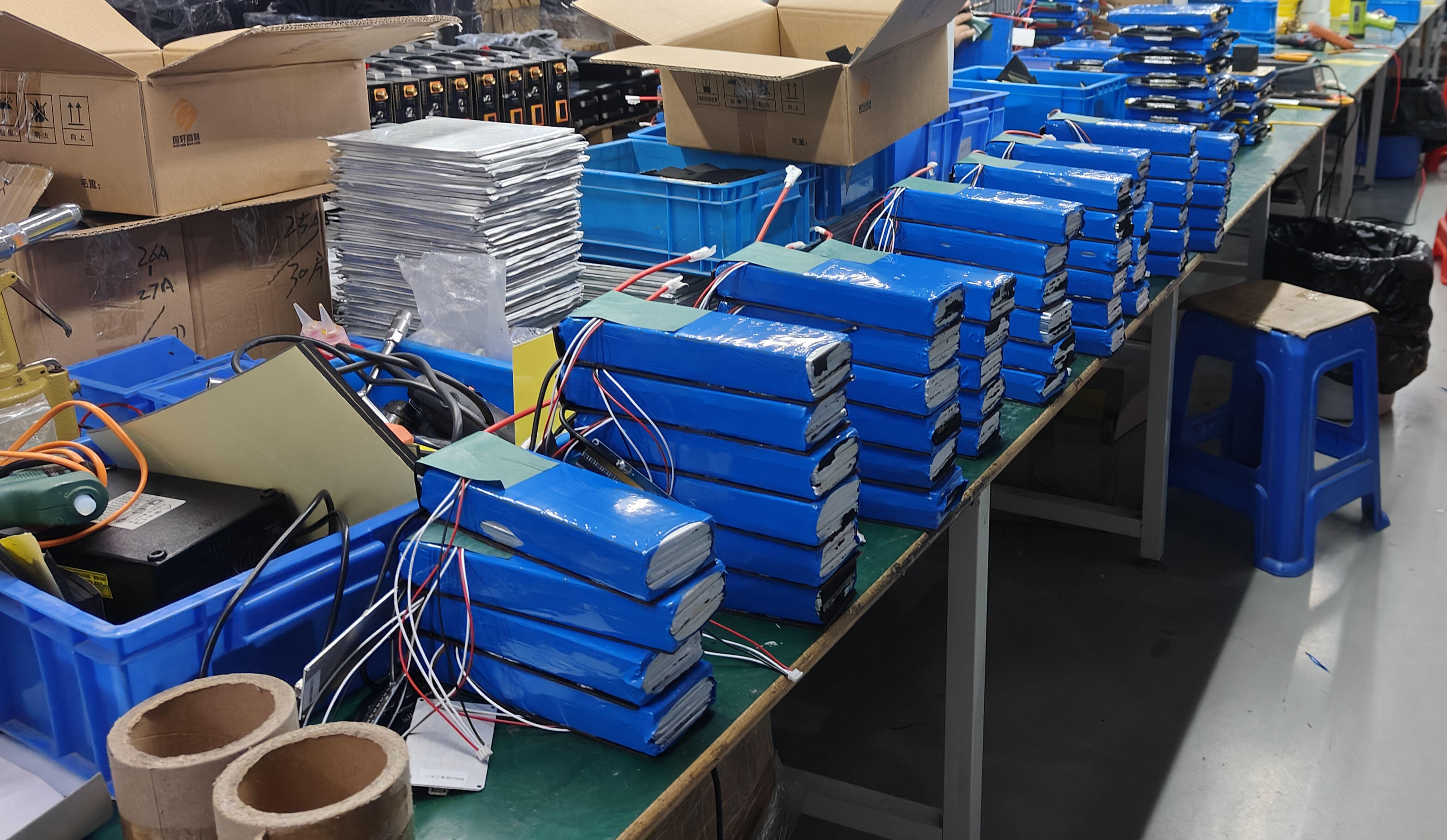
The widespread adoption of lithium-ion technology has revolutionized portable power storage, with the 18650 battery emerging as one of the most popular and versatile formats in consumer electronics, power tools, and electric vehicles. These cylindrical cells deliver exceptional energy density and performance characteristics that make them indispensable for countless applications. However, their chemical composition and energy storage capabilities require users to understand proper handling, storage, and usage protocols to ensure both safety and optimal performance throughout their operational lifespan.
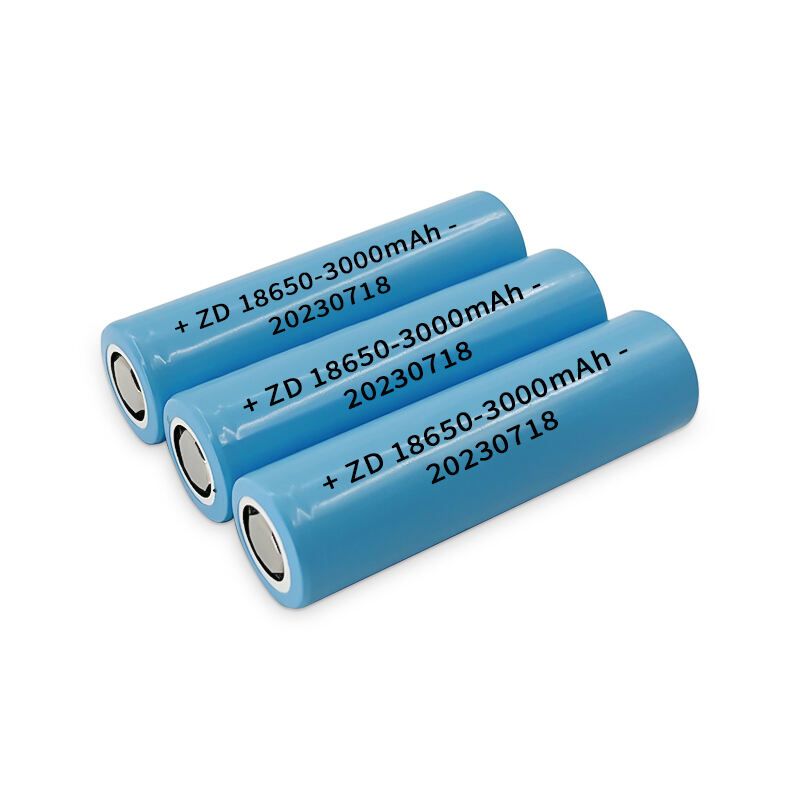
Understanding 18650 Battery Chemistry and Construction
Lithium-Ion Cell Composition
The internal structure of an 18650 battery consists of several critical components that work together to store and release electrical energy. The positive electrode typically contains lithium cobalt oxide, lithium manganese oxide, or lithium iron phosphate, while the negative electrode uses graphite or silicon-based materials. Between these electrodes sits a separator membrane that prevents direct contact while allowing lithium ions to move freely during charge and discharge cycles.
The electrolyte solution facilitates ion transport and plays a crucial role in determining the cell's performance characteristics, temperature tolerance, and safety profile. Modern 18650 cells incorporate sophisticated safety mechanisms including pressure relief vents, current interrupt devices, and thermal protection circuits that activate under abnormal operating conditions. Understanding these components helps users appreciate why proper handling procedures are essential for maintaining battery integrity and preventing potentially dangerous failure modes.
Capacity Ratings and Performance Specifications
Commercial 18650 batteries are available in various capacity ratings ranging from 1800mAh to over 3500mAh, with each specification designed for specific application requirements. Higher capacity cells typically prioritize energy storage over discharge rate capabilities, making them suitable for devices with moderate power demands and extended runtime requirements. Conversely, high-discharge cells sacrifice some capacity to deliver sustained current output for applications like power tools and electric vehicle battery packs.
The nominal voltage of a standard 18650 battery is typically 3.6 or 3.7 volts, with fully charged cells reaching approximately 4.2 volts and discharge cutoff occurring around 2.5 to 3.0 volts depending on the specific chemistry. Operating cells outside these voltage parameters can result in permanent capacity loss, thermal runaway, or complete cell failure, emphasizing the importance of using appropriate charging equipment and protection circuits.
Proper Charging Protocols and Equipment Selection
Selecting Compatible Charging Hardware
Choosing the appropriate charging equipment represents one of the most critical safety decisions for 18650 battery users. Quality chargers incorporate multiple protection features including overvoltage protection, overcurrent limiting, temperature monitoring, and automatic charge termination when cells reach full capacity. These safety mechanisms prevent the dangerous conditions that can lead to thermal runaway, electrolyte venting, or fire hazards during the charging process.
Universal chargers that accommodate multiple cell sizes often provide the most flexibility and safety features compared to simple single-cell units. Look for chargers with independent channel monitoring, LCD displays showing real-time voltage and current readings, and certification marks from recognized testing organizations. Avoid inexpensive chargers lacking proper safety certifications, as these devices may not provide adequate protection against overcharging or may fail to detect defective cells that could pose safety risks.
Optimal Charging Practices
Implementing proper charging procedures significantly extends cell lifespan while minimizing safety risks associated with lithium-ion technology. Always charge batteries at room temperature when possible, as extreme temperatures can affect charging efficiency and create potentially hazardous conditions. Monitor the charging process periodically and remove cells promptly after charging completion to prevent overcharging, even when using chargers with automatic termination features.
Charging current selection affects both safety and battery longevity, with most manufacturers recommending charge rates between 0.5C and 1.0C for optimal results. Higher charging currents generate additional heat and stress internal components, potentially reducing cycle life and increasing the likelihood of premature failure. When time permits, slower charging rates provide gentler treatment that maximizes long-term performance and safety margins throughout the battery's operational lifetime.
Safe Storage and Handling Procedures
Environmental Storage Requirements
Proper storage conditions play a vital role in maintaining 18650 battery safety and performance over extended periods. Store cells in a cool, dry environment away from direct sunlight, heat sources, and areas with temperature fluctuations that could stress internal components. Ideal storage temperatures range between 15°C and 25°C with relative humidity below 65% to prevent corrosion and minimize self-discharge rates.
Avoid storing batteries in vehicles, attics, basements, or other locations subject to extreme temperature variations throughout daily or seasonal cycles. High temperatures accelerate chemical degradation processes and increase the risk of thermal runaway, while freezing temperatures can cause permanent damage to electrolyte solutions and separator materials. Consider using dedicated battery storage containers that provide protection from physical damage while maintaining appropriate environmental conditions.
Physical Protection and Organization
Physical protection during storage prevents accidental short circuits that represent one of the most serious safety hazards associated with lithium-ion cells. Use individual protective cases or sleeves for each battery to prevent contact between positive and negative terminals, especially when carrying multiple cells together in bags or toolboxes. Never store loose batteries where metal objects like keys, coins, or tools could create conductive paths between terminals.
Organize stored batteries by purchase date, capacity rating, and usage history to facilitate proper rotation and prevent accidentally mixing cells with different charge states or degradation levels. Label each battery with its acquisition date and cycle count when possible, as this information helps identify aging cells that may require more frequent monitoring or replacement. Maintain separation between new and used batteries to prevent capacity mismatching in multi-cell applications.
Recognizing Warning Signs and Safety Hazards
Visual Inspection Procedures
Regular visual inspection of 18650 batteries helps identify developing problems before they become serious safety hazards. Examine the outer wrapper for tears, dents, scratches, or discoloration that might indicate internal damage or contamination. Pay particular attention to the positive terminal area where impact damage often occurs, and check for signs of electrolyte leakage around the pressure relief vent located near the positive end of most cells.
Look for bulging or swelling that suggests gas buildup inside the cell casing, which typically indicates electrolyte decomposition or other internal failures requiring immediate battery replacement. Corrosion around terminals, unusual odors, or sticky residues on the battery surface all warrant careful evaluation and potential disposal of the affected cell. Document any observed abnormalities and remove questionable batteries from service until their condition can be properly assessed.
Performance Degradation Indicators
Monitor runtime performance and charging behavior to detect gradual degradation that might not be visible through external inspection alone. Significant reductions in operating time between charges, unusually rapid voltage drops under load, or inability to reach full charge voltage all indicate internal problems that compromise both performance and safety. Temperature increases during normal use or charging cycles also suggest developing issues that require attention.
Keep records of charging times and discharge performance for critical applications, as gradual changes in these parameters provide early warning of cell degradation. Batteries that consistently run warmer than others in the same application should be removed from service for detailed evaluation. Trust your instincts regarding unusual battery behavior, as lithium-ion cells typically exhibit predictable performance characteristics throughout most of their service life.
Emergency Response and Disposal Protocols
Immediate Response Procedures
Developing an emergency response plan before problems occur ensures appropriate action during critical situations involving 18650 battery failures. If a battery begins venting gases, smoking, or showing signs of thermal runaway, immediately remove it from any charging equipment and place it in a fireproof container away from combustible materials. Do not attempt to handle a hot or actively venting battery with bare hands, as the electrolyte contains corrosive chemicals that can cause burns.
Ensure adequate ventilation in the area where battery incidents occur, as lithium-ion cells can release toxic gases including hydrogen fluoride during failure events. Keep a Class D fire extinguisher specifically designed for metal fires nearby when working with large numbers of lithium batteries. If fire occurs, evacuate the area and contact emergency services immediately, as lithium battery fires require specialized suppression techniques and can reignite after appearing extinguished.
Proper Disposal Methods
Responsible disposal of end-of-life or damaged 18650 batteries protects both environmental resources and public safety while recovering valuable materials for recycling. Never dispose of lithium-ion cells in regular household trash, as they can cause fires in garbage trucks or waste processing facilities. Instead, locate certified battery recycling centers that accept lithium-ion cells and have proper handling procedures for potentially hazardous materials.
Many electronics retailers, automotive stores, and municipal recycling centers accept lithium batteries for proper disposal and material recovery. Prepare batteries for transport by taping over terminals to prevent short circuits during handling and transport. Place damaged or swollen cells in individual non-conductive containers to prevent contact with other batteries or metal objects during the disposal process.
FAQ
How long do 18650 batteries typically last before replacement becomes necessary
Most quality 18650 batteries maintain acceptable performance for 300 to 500 complete charge cycles before experiencing significant capacity degradation. Under moderate use conditions with proper charging practices, this translates to approximately 2-4 years of service life. However, factors including operating temperature, charging practices, discharge depth, and storage conditions significantly influence actual lifespan. High-quality cells from reputable manufacturers often exceed these baseline expectations when handled properly.
Can 18650 batteries be safely used in devices originally designed for other battery types
Using 18650 batteries in devices not specifically designed for them requires careful consideration of voltage compatibility, current requirements, and physical fit. The 3.7V nominal voltage of lithium-ion cells differs significantly from alkaline or NiMH alternatives, potentially damaging sensitive electronic circuits. Additionally, the high energy density and different discharge characteristics may create safety hazards in devices lacking appropriate protection circuits. Always consult device specifications and manufacturer recommendations before making substitutions.
What should I do if an 18650 battery becomes extremely hot during use or charging
Excessive heat generation indicates a potentially dangerous condition requiring immediate action to prevent thermal runaway or fire. Disconnect the battery from any charging equipment or devices immediately, but avoid direct contact with bare skin if the cell is very hot. Place the battery in a fireproof container away from combustible materials and monitor it closely for signs of venting, swelling, or smoke. Allow the battery to cool completely before handling, and consider it unsafe for future use unless professional evaluation confirms its condition.
Are all 18650 batteries interchangeable regardless of brand or capacity rating
While 18650 batteries share standardized physical dimensions, significant variations exist in capacity, discharge rates, internal resistance, and safety features between different manufacturers and models. Mixing batteries with different specifications in multi-cell applications can create imbalanced conditions leading to reduced performance and potential safety hazards. Always use matched sets of identical batteries from the same manufacturer and production batch when building battery packs or replacing cells in existing multi-cell devices.
Table of Contents
- Understanding 18650 Battery Chemistry and Construction
- Proper Charging Protocols and Equipment Selection
- Safe Storage and Handling Procedures
- Recognizing Warning Signs and Safety Hazards
- Emergency Response and Disposal Protocols
-
FAQ
- How long do 18650 batteries typically last before replacement becomes necessary
- Can 18650 batteries be safely used in devices originally designed for other battery types
- What should I do if an 18650 battery becomes extremely hot during use or charging
- Are all 18650 batteries interchangeable regardless of brand or capacity rating