
 EN
EN
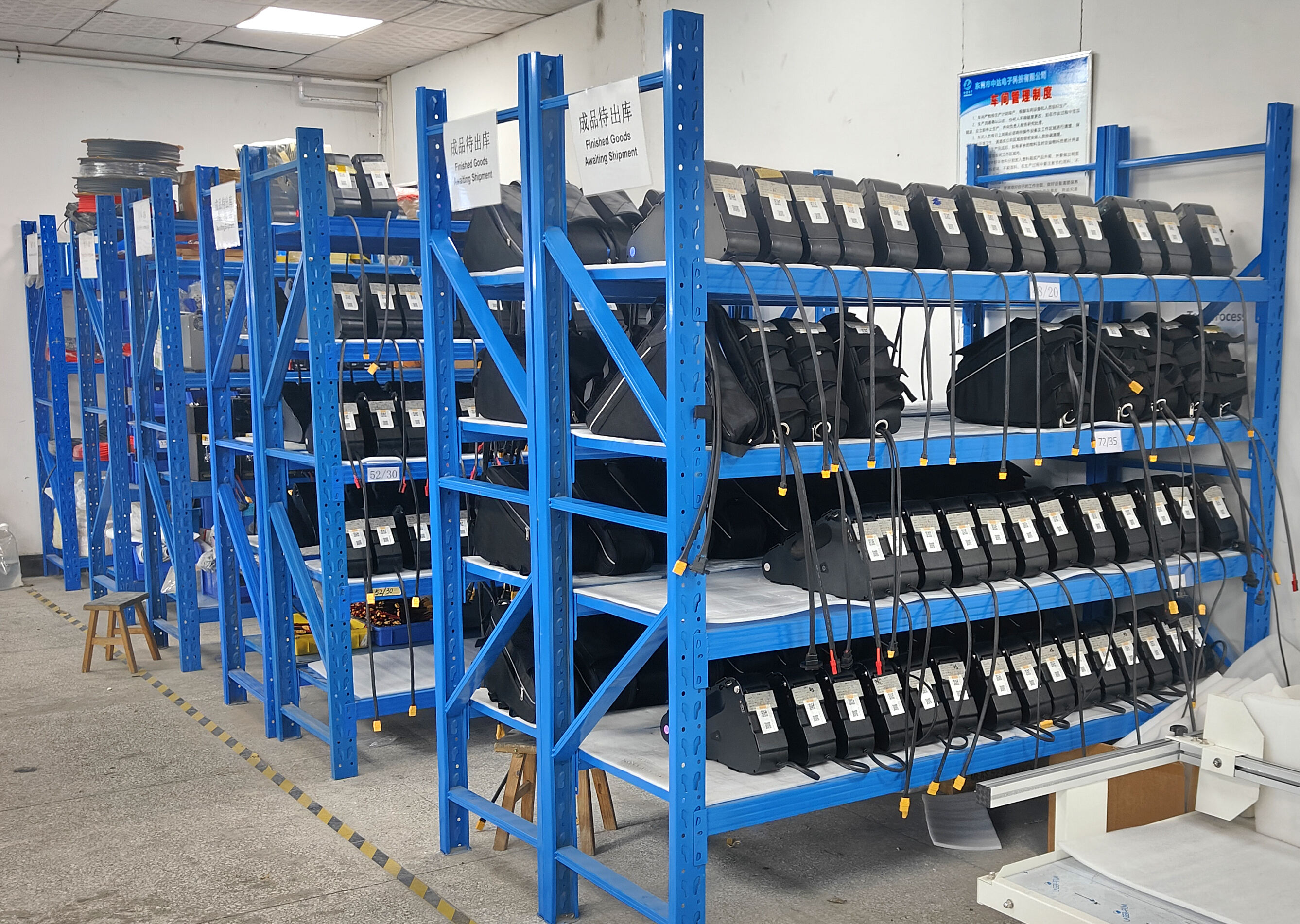
Proper charging techniques are crucial for maximizing the lifespan and performance of your 18650 battery. These powerful lithium-ion cells have become the backbone of countless electronic devices, from laptops and power tools to electric vehicles and energy storage systems. Understanding the correct charging procedures not only ensures optimal battery performance but also prevents potential safety hazards that can arise from improper handling.
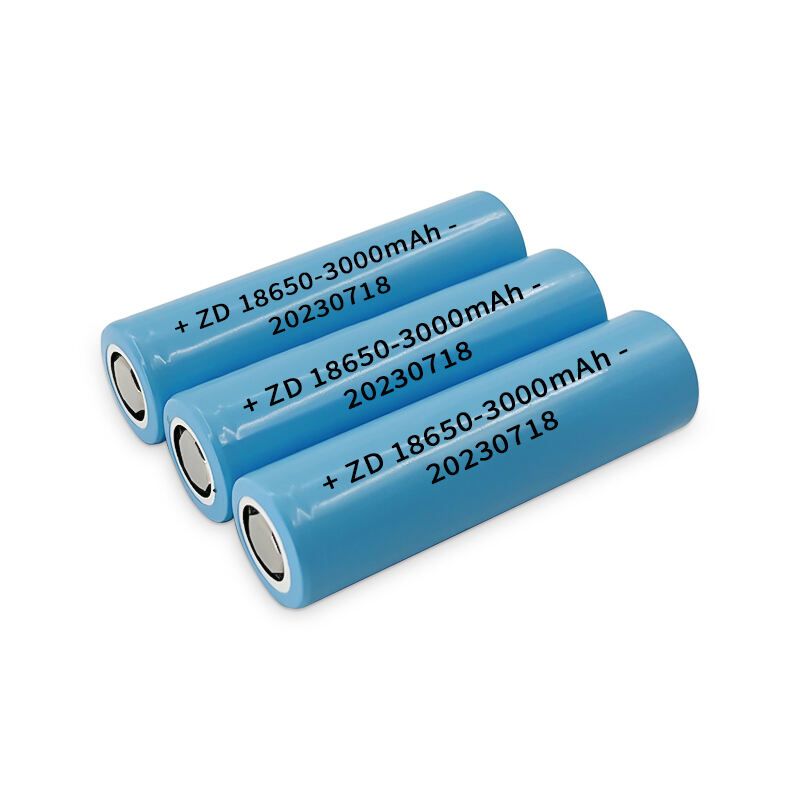
The 18650 battery format, measuring 18mm in diameter and 65mm in length, represents one of the most widely adopted rechargeable battery standards in modern electronics. These cylindrical powerhouses deliver exceptional energy density and reliability when charged and maintained correctly. However, improper charging practices can lead to reduced capacity, shortened lifespan, or even dangerous situations including thermal runaway.
Understanding 18650 Battery Chemistry and Charging Fundamentals
Basic Lithium-Ion Chemistry Principles
The 18650 battery operates on lithium-ion technology, where lithium ions move between the positive cathode and negative anode during charge and discharge cycles. During charging, an external power source forces lithium ions to migrate from the cathode to the anode, storing electrical energy in the process. This electrochemical reaction is highly sensitive to voltage, current, and temperature conditions, making proper charging protocols essential for safe operation.
Understanding the voltage characteristics of an 18650 battery is fundamental to safe charging practices. These cells typically operate between 2.5V and 4.2V, with 3.7V representing the nominal voltage. Exceeding 4.2V during charging can cause permanent damage to the cell structure, while allowing the voltage to drop below 2.5V can trigger protective circuits and potentially render the battery unusable.
Charging Current and Voltage Requirements
The charging current for an 18650 battery should never exceed the manufacturer's specified maximum charge rate, typically expressed as a multiple of the battery's capacity (C-rate). Most standard 18650 batteries can safely accept charge currents between 0.5C and 1C, meaning a 3000mAh battery should be charged at currents between 1.5A and 3A. Exceeding these limits can generate excessive heat and accelerate battery degradation.
Proper voltage regulation during the charging process follows a two-stage approach known as CC/CV charging. The constant current phase maintains steady amperage until the battery reaches approximately 4.2V, followed by a constant voltage phase where the current gradually decreases as the battery approaches full capacity. This method ensures complete charging while preventing overcharge conditions that could damage the 18650 battery.
Essential Charging Equipment and Safety Requirements
Selecting Compatible Chargers
Choosing the right charger for your 18650 battery is critical for both performance and safety. Dedicated lithium-ion chargers designed specifically for 18650 cells provide the necessary voltage and current regulation required for safe operation. These chargers typically include multiple safety features such as overcharge protection, thermal monitoring, and reverse polarity prevention to safeguard both the battery and the charging equipment.
Quality chargers for 18650 batteries often feature adjustable charge rates, allowing users to select slower charging speeds for maximum battery longevity or faster rates when time is a constraint. Smart chargers with microprocessor control can automatically detect battery chemistry, capacity, and condition, adjusting charging parameters accordingly to optimize the charging process for each individual cell.
Safety Equipment and Environmental Considerations
Creating a safe charging environment for 18650 batteries requires attention to several environmental factors. The charging area should be well-ventilated, away from flammable materials, and maintained at moderate temperatures between 32°F and 113°F (0°C to 45°C). Extreme temperatures can significantly impact charging efficiency and safety, potentially leading to thermal events or permanent capacity loss.
Essential safety equipment includes a reliable smoke detector, fire extinguisher rated for electrical fires, and a non-conductive surface for charging operations. Many experienced users also employ fireproof charging bags or metal containers designed specifically for lithium-ion battery charging, providing an additional layer of protection against potential thermal incidents during the charging process.
Step-by-Step Charging Procedures and Best Practices
Pre-Charging Inspection and Preparation
Before initiating the charging process, every 18650 battery should undergo a thorough visual inspection for signs of damage, swelling, or electrolyte leakage. Damaged cells should never be charged and must be disposed of according to local hazardous waste regulations. Check the battery terminals for corrosion or debris that could interfere with proper electrical contact during charging.
Measuring the initial voltage of an 18650 battery before charging provides valuable information about its current state and helps determine appropriate charging parameters. Batteries with voltages below 2.5V may require special recovery procedures or should be considered for replacement, as deep discharge can cause permanent damage to the cell chemistry.
Optimal Charging Sequence
The proper charging sequence for an 18650 battery begins with inserting the cell into the charger with correct polarity alignment. Most quality chargers include clear markings and physical guides to prevent reverse insertion, which could damage both the battery and charging equipment. Verify that the charger settings match the battery specifications before initiating the charging cycle.
Monitor the charging progress regularly, especially during the first few charging cycles with a new 18650 battery or charger. Most modern chargers provide visual indicators showing charging status, completion percentage, and any error conditions that may arise during the process. The charging time typically ranges from 2 to 6 hours depending on the battery capacity, charge rate, and initial state of charge.
Common Charging Mistakes and How to Avoid Them
Overcharging and Voltage Violations
Overcharging represents one of the most serious threats to 18650 battery safety and longevity. Leaving batteries connected to chargers after reaching full capacity can cause voltage to exceed safe limits, generating excessive heat and potentially triggering thermal runaway. Always use chargers with automatic termination features that cease charging when the battery reaches 4.2V and the charge current drops to a predetermined cutoff level.
Voltage violations can also occur when using incompatible charging equipment not designed for lithium-ion chemistry. Universal chargers or improvised charging solutions may lack the precise voltage regulation required for safe 18650 battery charging. These devices can apply inappropriate voltages or currents that damage the battery's internal structure and create safety hazards.
Temperature-Related Charging Errors
Charging an 18650 battery at inappropriate temperatures is a common mistake that can significantly impact performance and safety. Attempting to charge frozen or extremely hot batteries can cause electrolyte breakdown, internal pressure buildup, and potential cell rupture. Always allow batteries to reach room temperature before charging and avoid charging in direct sunlight or near heat sources.
Inadequate ventilation during charging can cause heat accumulation around the 18650 battery, creating conditions that accelerate degradation and increase safety risks. Ensure proper airflow around charging equipment and avoid charging batteries in enclosed spaces where heat cannot dissipate effectively.
Maintenance and Long-Term Care Strategies
Storage and Charge Level Management
Proper storage practices significantly extend the operational life of an 18650 battery and maintain its performance characteristics over time. Store batteries at approximately 40-60% charge level when not in regular use, as this voltage range minimizes stress on the cell chemistry while preventing deep discharge conditions that could activate protection circuits.
Long-term storage requires periodic maintenance charging every 3-6 months to compensate for natural self-discharge that occurs in all lithium-ion cells. This preventive maintenance helps maintain optimal electrolyte balance and prevents the formation of lithium deposits that can reduce capacity and increase internal resistance over time.
Performance Monitoring and Replacement Indicators
Regular performance monitoring helps identify when an 18650 battery may be approaching the end of its useful life and requires replacement. Key indicators include significantly reduced runtime, longer charging times, excessive heat generation during charging or discharge, and failure to reach full rated voltage after charging. Tracking these metrics helps ensure reliable operation and prevents unexpected failures.
Capacity testing using specialized equipment can provide objective measurements of remaining battery performance compared to original specifications. Most 18650 batteries retain approximately 80% of their original capacity after 300-500 charge cycles when properly maintained, though this can vary significantly based on usage patterns and environmental conditions.
FAQ
How long should I charge my 18650 battery for optimal results
The charging time for an 18650 battery depends on its capacity, the charger's current output, and the initial state of charge. Typically, a completely depleted 3000mAh battery will require 3-4 hours when charged at 1A, or 6-8 hours at 0.5A. Always rely on the charger's termination indicators rather than fixed time periods, as charging times can vary based on battery age and condition.
Can I use any lithium-ion charger for my 18650 batteries
While many lithium-ion chargers can technically charge 18650 batteries, using a charger specifically designed for this format ensures optimal safety and performance. Generic chargers may lack proper size compatibility, appropriate current settings, or essential safety features. Always verify that your charger supports 18650 dimensions and provides the correct voltage and current specifications for safe operation.
What should I do if my 18650 battery becomes hot during charging
If an 18650 battery becomes noticeably hot during charging, immediately disconnect it from the charger and place it in a safe, ventilated area away from flammable materials. Mild warming is normal during fast charging, but excessive heat indicates a potential problem with the battery, charger, or charging environment. Allow the battery to cool completely before attempting to identify the cause or resume charging at a lower current rate.
How can I tell when my 18650 battery is fully charged
Most quality chargers provide clear visual indicators when an 18650 battery reaches full charge, typically through LED color changes or display messages. The battery is considered fully charged when it reaches 4.2V and the charging current drops to approximately 10% of the initial charge rate. Avoid relying solely on time estimates, as actual charging duration varies based on multiple factors including battery condition and ambient temperature.