
 EN
EN
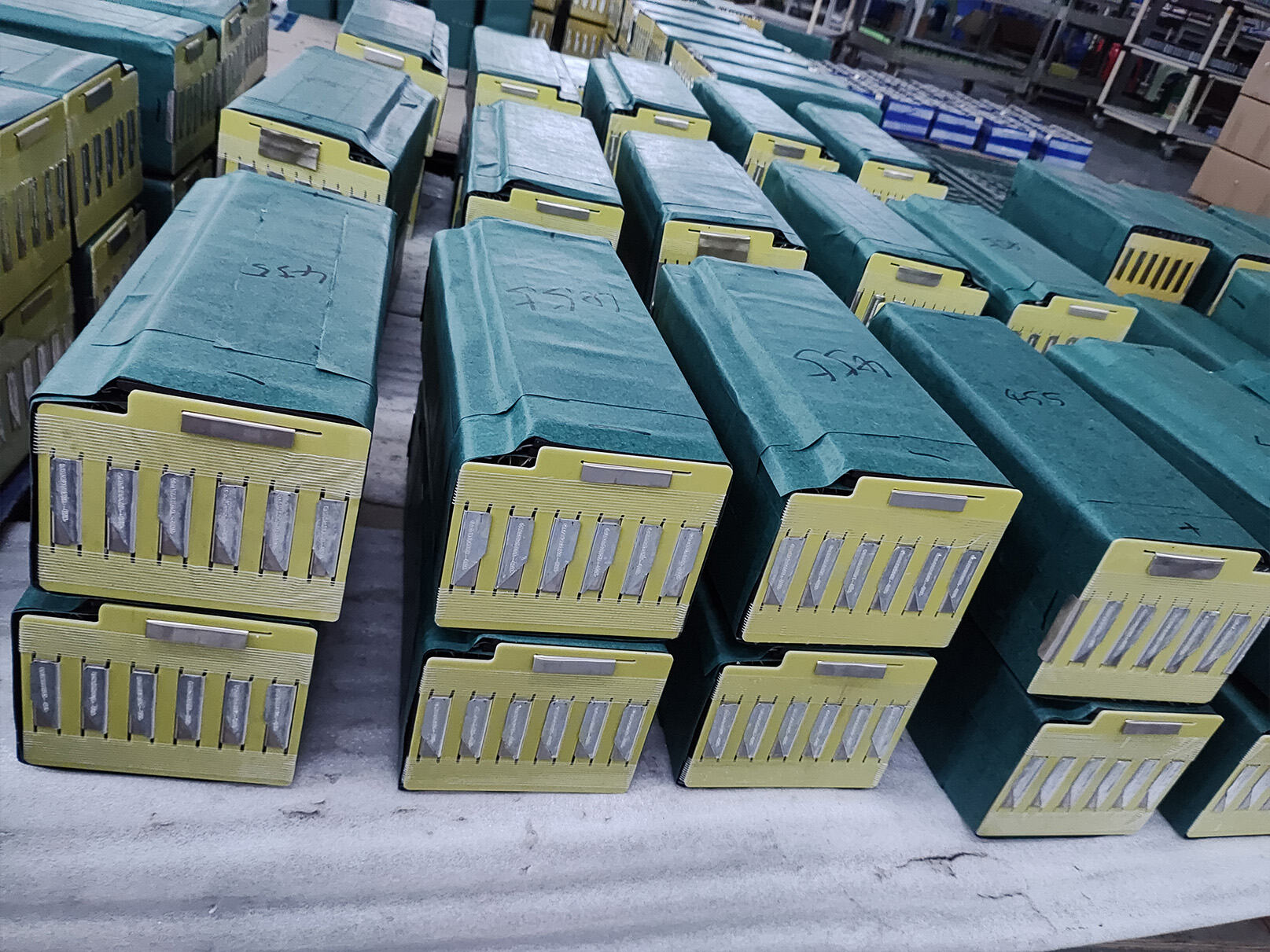
Modern electronic devices increasingly rely on advanced power storage solutions, with lithium polymer battery technology leading the charge in portable electronics, drones, and electric vehicles. These lightweight, flexible power sources offer superior energy density compared to traditional battery technologies, but they also present unique challenges that users must understand to maximize performance and longevity. Understanding common issues and their practical solutions helps ensure optimal device operation while preventing costly replacements and potential safety hazards.
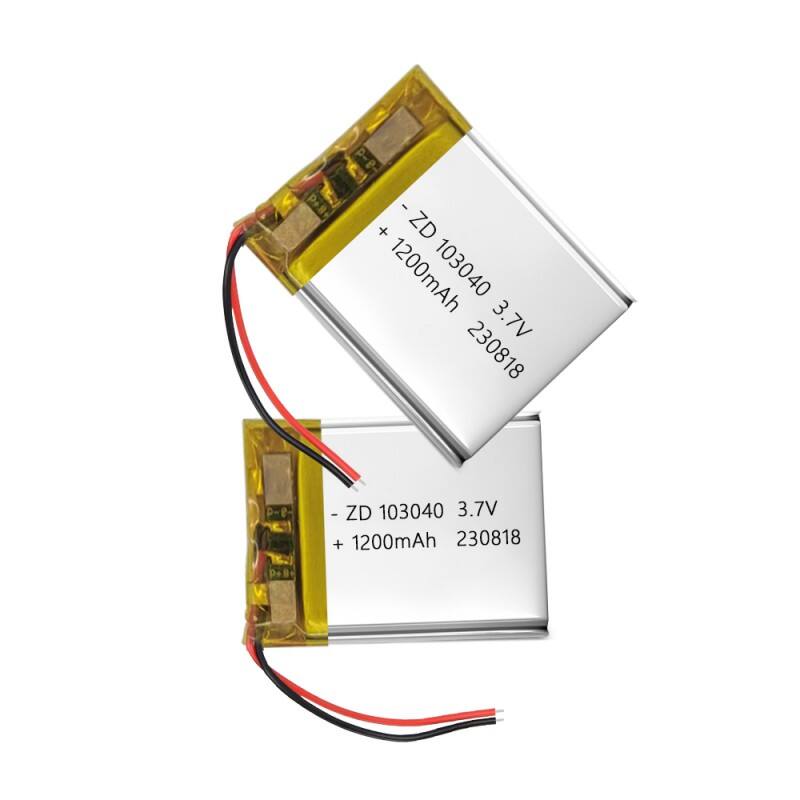
Battery Swelling and Physical Deformation
Causes of Battery Swelling
Battery swelling represents one of the most visible problems affecting lithium polymer battery systems, occurring when internal gases build up due to electrolyte decomposition or manufacturing defects. Overcharging beyond recommended voltage limits triggers chemical reactions that produce gas bubbles, causing the flexible polymer casing to expand. Exposure to excessive heat accelerates these reactions, while physical damage to the battery housing can compromise internal structures and lead to similar swelling patterns.
Age-related degradation also contributes significantly to swelling issues, as repeated charge cycles gradually break down internal components and create conditions favorable to gas formation. Manufacturing inconsistencies, such as improper electrolyte formulations or inadequate quality control measures, can predispose batteries to premature swelling even under normal operating conditions.
Prevention and Management Strategies
Preventing battery swelling requires adherence to manufacturer-specified charging parameters and avoiding exposure to extreme temperatures during storage or operation. Using compatible chargers with proper voltage regulation helps maintain stable charging conditions, while monitoring battery temperature during charging cycles prevents thermal runaway situations. Regular visual inspections allow early detection of swelling before it progresses to dangerous levels.
When swelling occurs, immediate discontinuation of use prevents further deterioration and potential safety risks. Proper disposal through certified recycling programs ensures environmental protection while replacement with quality components maintains device reliability. Investing in batteries with built-in protection circuits provides additional safeguards against overcharging and thermal damage.
Capacity Loss and Performance Degradation
Understanding Capacity Decline Mechanisms
Lithium polymer battery capacity naturally decreases over time due to irreversible chemical changes within the cell structure, but understanding these mechanisms helps users implement strategies to minimize degradation rates. Electrode material degradation occurs as lithium ions become trapped in crystal structures during repeated charge cycles, reducing the number of available ions for energy storage. Electrolyte decomposition creates byproducts that interfere with ion transport, further reducing overall capacity.
Calendar aging affects batteries even when not in active use, as internal chemical reactions continue at reduced rates during storage periods. Temperature extremes accelerate these aging processes, while partial discharge cycles can help preserve capacity compared to full discharge scenarios. Deep discharge events below recommended voltage thresholds cause permanent damage to electrode materials and significantly impact long-term performance.
Optimization Techniques for Extended Life
Implementing proper charging protocols significantly extends battery lifespan by minimizing stress-inducing conditions during power restoration cycles. Maintaining charge levels between 20% and 80% reduces electrode strain while avoiding complete discharge prevents irreversible capacity loss. Temperature control during charging and storage operations helps preserve internal chemistry and prevents accelerated aging reactions.
Regular calibration cycles help maintain accurate capacity readings by allowing the battery management system to recalibrate its charge level calculations. Using quality charging equipment with proper current regulation prevents stress from excessive charging rates, while avoiding prolonged storage at full charge reduces calendar aging effects. Monitoring battery health metrics through device diagnostics provides early warning signs of capacity degradation.
Charging Issues and Power Management
Common Charging Problems
Charging difficulties represent frequent challenges in lithium polymer battery applications, often stemming from incompatible chargers or damaged charging circuits within the battery pack. Voltage mismatches between charger output and battery requirements can prevent proper charging initiation or cause incomplete charging cycles. Current regulation problems lead to either insufficient charging rates that extend charge times excessively or excessive rates that generate heat and stress internal components.
Protection circuit malfunctions can interrupt charging processes even when batteries require power restoration, creating frustrating situations where devices appear unresponsive to charging attempts. Connector degradation or corrosion affects electrical contact quality, leading to intermittent charging behavior or complete charging failure. Environmental factors such as extreme temperatures can also trigger protection mechanisms that temporarily disable charging functions.
Troubleshooting and Resolution Methods
Systematic troubleshooting approaches help identify and resolve charging issues efficiently by eliminating common causes before addressing complex problems. Verifying charger compatibility through specification comparison ensures proper voltage and current delivery to battery systems. Cleaning charging contacts with appropriate solvents removes corrosion and improves electrical connection reliability.
Temperature normalization often resolves charging issues related to thermal protection circuits, requiring patience as batteries return to acceptable operating ranges. Testing with alternative charging equipment helps isolate problems to specific chargers versus battery-related issues. Professional diagnostic services can identify internal protection circuit problems that require component replacement or system repair.
Safety Concerns and Risk Mitigation
Fire and Thermal Hazards
Fire risks associated with lithium polymer battery systems demand serious attention and proactive safety measures to prevent potentially catastrophic incidents. Thermal runaway conditions occur when internal temperatures exceed critical thresholds, triggering chain reactions that release significant heat and potentially ignite surrounding materials. Overcharging, physical damage, or manufacturing defects can initiate these dangerous conditions without warning signs.
Short circuits caused by internal damage or external conductor contact create immediate fire hazards through rapid energy discharge and heat generation. Improper storage conditions, such as exposure to direct sunlight or placement near heat sources, increase fire risk by elevating battery temperatures beyond safe operating ranges. Damaged or deteriorated batteries pose elevated risks and require immediate attention to prevent safety incidents.
Protective Measures and Emergency Procedures
Implementing comprehensive safety protocols significantly reduces fire risks and provides clear response procedures for emergency situations. Using appropriate charging equipment with built-in safety features helps prevent overcharging scenarios that commonly trigger thermal events. Establishing dedicated charging areas away from flammable materials creates safer environments for routine battery maintenance.
Emergency response planning includes immediate disconnection of power sources and removal of batteries from confined spaces when overheating occurs. Fire suppression systems designed for electrical fires provide effective response capabilities, while evacuation procedures ensure personal safety during serious incidents. Regular safety training helps users recognize warning signs and respond appropriately to prevent minor issues from escalating into major hazards.
Environmental Impact and Storage Considerations
Temperature Effects on Performance
Temperature variations significantly affect lithium polymer battery performance and longevity, requiring careful attention to environmental conditions during operation and storage periods. Low temperatures reduce chemical reaction rates within battery cells, leading to decreased capacity and voltage output during use. Extreme cold can cause permanent damage to electrode structures if batteries are charged while frozen or exposed to rapid temperature changes.
High temperature environments accelerate chemical degradation processes and increase internal pressure within battery housings, potentially leading to swelling or venting situations. Sustained exposure to elevated temperatures reduces overall lifespan and can trigger protection circuits that limit performance. Understanding optimal temperature ranges helps users maintain battery health across various operating conditions.
Optimal Storage Practices
Proper storage techniques preserve battery condition during extended periods of non-use while preventing degradation that commonly occurs with improper handling. Maintaining partial charge levels around 40-60% during storage provides optimal conditions for long-term preservation of battery chemistry. Climate-controlled environments with stable temperatures and low humidity prevent environmental damage and reduce aging rates.
Regular monitoring of stored batteries helps identify problems before they become serious issues requiring replacement or disposal. Periodic charge maintenance prevents deep discharge conditions that can permanently damage battery cells, while rotation of battery stock ensures older units receive priority use. Documentation of storage dates and conditions helps track battery age and plan replacement schedules effectively.
FAQ
How long should a lithium polymer battery typically last before replacement?
Most lithium polymer batteries maintain acceptable performance for 300-500 charge cycles under normal conditions, translating to approximately 2-3 years of regular use depending on application demands and care practices. Factors such as charging habits, temperature exposure, and discharge patterns significantly influence actual lifespan. Batteries used in high-drain applications or subjected to frequent deep discharge cycles may require replacement sooner, while those maintained with proper charging protocols and moderate use patterns often exceed expected lifespans.
What should I do if my lithium polymer battery becomes hot during charging?
Immediately disconnect the charger and remove the battery from any enclosed spaces to prevent potential thermal runaway situations. Allow the battery to cool naturally in a well-ventilated area away from flammable materials while monitoring for signs of swelling, smoke, or unusual odors. Do not attempt to use the battery until it returns to normal temperature and shows no signs of damage. If overheating occurs repeatedly, discontinue use permanently and dispose of the battery through proper recycling channels, as this indicates internal damage or protection circuit failure.
Can I repair a swollen lithium polymer battery safely?
Swollen lithium polymer batteries should never be repaired or punctured, as this creates serious fire and toxic gas exposure risks. The swelling indicates internal damage and gas accumulation that cannot be safely reversed through user intervention. Immediately discontinue use of any swollen battery and handle it carefully to avoid applying pressure that could cause rupture. Proper disposal through certified electronic waste recycling facilities ensures safe handling while protecting environmental and personal safety.
Why does my lithium polymer battery drain faster in cold weather?
Cold temperatures reduce chemical reaction rates within battery cells, effectively decreasing available capacity and voltage output during use. The electrolyte becomes less conductive at low temperatures, increasing internal resistance and reducing power delivery efficiency. While this capacity loss is typically temporary and recovers as temperatures normalize, prolonged exposure to freezing conditions can cause permanent damage to internal structures. Keeping devices and batteries at moderate temperatures when possible helps maintain optimal performance in cold environments.