
 EN
EN
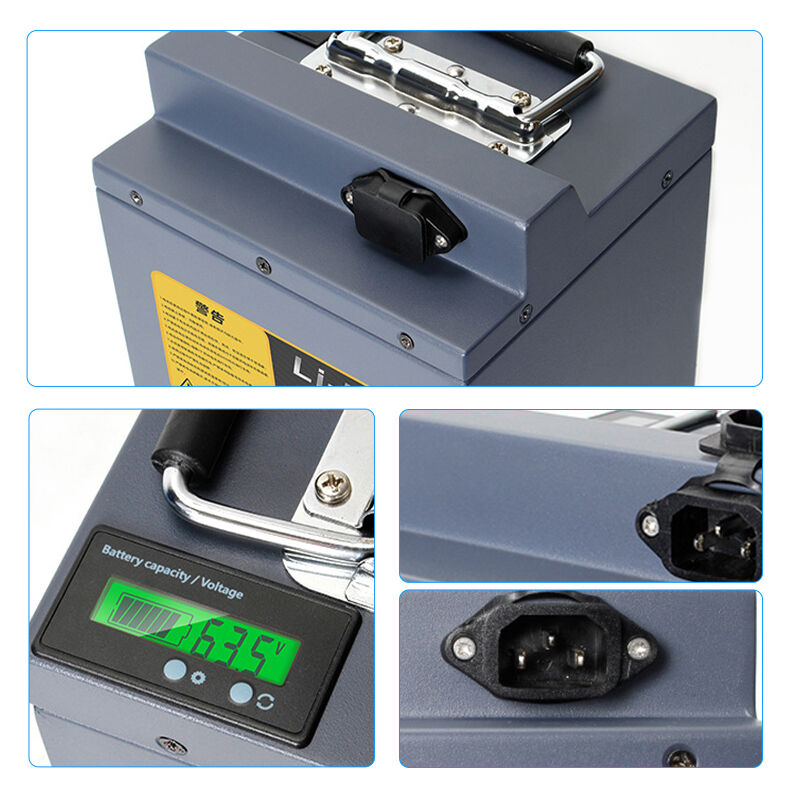
Electric bike technology has evolved dramatically, with high-voltage systems like the 72v electric bike battery becoming increasingly popular among cycling enthusiasts and commuters alike. These powerful energy storage systems deliver exceptional performance, extended range, and faster acceleration compared to lower voltage alternatives. Proper charging practices are essential for maximizing battery lifespan, maintaining optimal performance, and ensuring safe operation throughout the battery's service life.
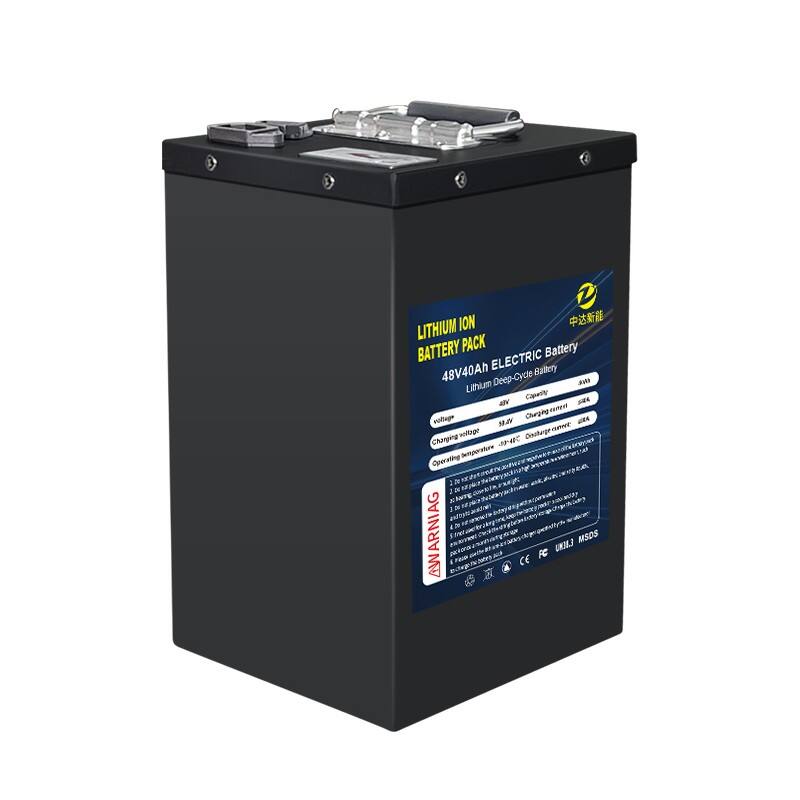
Understanding the fundamental characteristics of your 72v electric bike battery system is crucial for developing effective charging strategies. These high-voltage lithium-ion configurations typically consist of multiple cell groups connected in series to achieve the desired voltage output. The sophisticated battery management system monitors individual cell voltages, temperatures, and current flow to prevent overcharging, deep discharge, and thermal runaway conditions that could damage the battery pack or create safety hazards.
Understanding 72v Battery Technology
Lithium-Ion Cell Configuration
Most 72v electric bike battery systems utilize lithium-ion technology arranged in a series configuration to achieve the target voltage. Typically, these packs contain 20 cells in series, with each cell providing approximately 3.6 volts nominal voltage. This configuration delivers superior energy density, lighter weight, and longer cycle life compared to traditional lead-acid alternatives. The sophisticated chemistry allows for faster charging rates and maintains consistent voltage output throughout the discharge cycle.
The internal structure includes protective circuits, temperature sensors, and balancing systems that monitor individual cell performance. These integrated safety features prevent overcharging, excessive discharge, and thermal issues that could compromise battery integrity. Understanding this complex architecture helps users appreciate why proper charging protocols are essential for maintaining optimal performance and safety standards throughout the battery's operational lifetime.
Battery Management System Functions
Advanced battery management systems in 72v electric bike battery packs continuously monitor multiple parameters including voltage, current, temperature, and state of charge. These sophisticated control units automatically adjust charging parameters to optimize battery health and prevent potentially dangerous conditions. The system communicates with the charger to regulate current flow and terminate charging when cells reach full capacity.
Cell balancing functionality ensures that individual cells within the pack maintain similar voltage levels during charging and discharging cycles. This critical feature prevents some cells from becoming overcharged while others remain undercharged, which could lead to capacity loss and premature battery failure. The management system also provides diagnostic information and error codes to help users identify potential issues before they become serious problems.
Optimal Charging Practices
Charging Frequency and Timing
Establishing consistent charging routines significantly impacts the longevity and performance of your 72v electric bike battery. Lithium-ion technology performs best when maintained between 20% and 80% state of charge for daily use, with periodic full charging cycles to calibrate the battery management system. Avoiding deep discharge below 20% capacity helps prevent stress on individual cells and extends overall battery life.
Regular charging after each ride, regardless of the remaining capacity, is generally recommended for optimal battery health. This practice prevents the battery from sitting in a partially discharged state, which can lead to capacity degradation over time. However, allowing the battery to cool down for 15-20 minutes after riding before connecting the charger helps prevent thermal stress and ensures more efficient charging.
Temperature Considerations
Temperature management plays a crucial role in safe and efficient charging of 72v electric bike battery systems. Optimal charging occurs within a temperature range of 32°F to 113°F (0°C to 45°C), with ideal performance around room temperature. Charging outside this range can reduce charging efficiency, damage battery cells, or trigger safety protection circuits that prevent charging entirely.
Cold weather charging requires special attention, as lithium-ion cells become less receptive to charge acceptance at low temperatures. Allowing the battery to warm up to room temperature before charging, or using a heated storage area, helps maintain optimal charging performance. Conversely, hot weather charging should be avoided when possible, and batteries should be stored in cool, well-ventilated areas during the charging process.
Charger Selection and Compatibility
Original Equipment vs Aftermarket Chargers
Using the manufacturer-specified charger designed for your specific 72v electric bike battery ensures optimal charging parameters and safety compliance. Original equipment chargers are programmed with the correct voltage profiles, current limits, and termination algorithms that match your battery's specifications. These chargers incorporate communication protocols that interface with the battery management system for coordinated charging control.
Aftermarket chargers may offer cost savings or additional features, but require careful evaluation to ensure compatibility with your battery system. Key specifications to verify include output voltage accuracy, maximum charging current, connector compatibility, and safety certifications. Using an incompatible charger can result in overcharging, undercharging, or safety hazards that could damage your battery or create dangerous conditions.
Smart Charging Features
Modern chargers designed for 72v electric bike battery systems incorporate intelligent charging algorithms that automatically adjust charging parameters based on battery condition and environmental factors. These smart chargers monitor battery voltage, temperature, and charging current to optimize charging speed while protecting battery health. Advanced models include display screens showing charging status, estimated completion time, and diagnostic information.
Additional features such as maintenance charging modes, equalization cycles, and automatic shutoff enhance battery longevity and user convenience. Some chargers offer programmable charging profiles that allow customization based on usage patterns and storage requirements. Investing in a quality smart charger provides long-term benefits through improved battery performance and extended service life.
Safety Protocols and Best Practices
Environmental Safety Measures
Creating a safe charging environment for your 72v electric bike battery requires attention to ventilation, fire safety, and electrical hazards. Always charge batteries in well-ventilated areas away from flammable materials, heat sources, and direct sunlight. Proper ventilation helps dissipate heat generated during charging and prevents accumulation of any gases that might be released during normal operation.
Install smoke detectors and fire extinguishers appropriate for electrical fires in charging areas, and ensure adequate clearance around the battery and charger for heat dissipation. Avoid charging on flammable surfaces such as wood or carpet, and consider using fire-resistant charging mats or metal surfaces. Keep charging areas clean and free of debris that could interfere with ventilation or create fire hazards.
Electrical Safety Considerations
High-voltage systems like 72v electric bike battery packs require strict adherence to electrical safety protocols to prevent shock hazards and equipment damage. Always use properly grounded electrical outlets with adequate current capacity for your charger's requirements. Inspect charging cables and connectors regularly for signs of wear, damage, or corrosion that could create safety risks or charging problems.
Never attempt to charge damaged batteries or use damaged chargers, as this could result in fire, explosion, or electrical shock. If you notice any unusual smells, sounds, or visual signs during charging, immediately disconnect the charger and consult with a qualified technician. Proper training and awareness of potential hazards help ensure safe operation throughout the battery's service life.
Maintenance and Storage Guidelines
Long-term Storage Procedures
Proper storage procedures for 72v electric bike battery systems during extended periods of non-use help maintain capacity and prevent degradation. Store batteries at approximately 60-70% charge level in cool, dry environments with stable temperatures between 32°F and 77°F (0°C to 25°C). This intermediate charge level minimizes stress on battery cells while providing sufficient energy to maintain the battery management system.
Check stored batteries monthly and recharge if the state of charge drops below 50% to prevent deep discharge damage. Remove batteries from bicycles during long-term storage to prevent parasitic drain from connected electronics. Use breathable storage containers or bags that allow air circulation while protecting from dust and moisture, and avoid sealing batteries in airtight containers where gas buildup could occur.
Regular Maintenance Routines
Implementing regular maintenance schedules helps identify potential issues with your 72v electric bike battery before they become serious problems. Monthly visual inspections should include checking for physical damage, corrosion, loose connections, or swelling that could indicate internal problems. Clean battery terminals and connections with appropriate solvents to maintain good electrical contact and prevent corrosion buildup.
Document charging performance, range, and any unusual behavior to track battery health over time. Many modern battery management systems provide diagnostic data that can help identify declining cells or system issues. Professional battery testing services can provide detailed capacity and performance analysis to help determine optimal replacement timing and prevent unexpected failures.
FAQ
How long should I charge my 72v electric bike battery
Charging time for a 72v electric bike battery typically ranges from 4-8 hours depending on the battery capacity, charger specifications, and current charge level. Most standard chargers provide 2-5 amp charging current, while fast chargers may deliver higher currents for reduced charging times. Always follow manufacturer recommendations and avoid leaving batteries connected to chargers for extended periods after reaching full charge.
Can I charge my battery in cold weather
Charging 72v electric bike battery systems in cold weather requires special precautions, as lithium-ion cells become less receptive to charging below 32°F (0°C). Bring batteries to room temperature before charging when possible, or use heated storage areas during winter months. Some battery management systems include cold-weather charging protection that reduces charging current or prevents charging entirely when temperatures are too low.
What happens if I overcharge my battery
Modern 72v electric bike battery systems include sophisticated protection circuits that prevent overcharging by automatically terminating the charging process when cells reach full capacity. However, using incompatible chargers or damaged protection circuits could potentially cause overcharging, leading to reduced battery life, cell damage, or safety hazards. Always use manufacturer-approved chargers and replace damaged batteries immediately.
How do I know when my battery needs replacement
Signs that your 72v electric bike battery may need replacement include significantly reduced range, longer charging times, physical swelling or damage, unusual heat generation during charging, or frequent error messages from the battery management system. Most lithium-ion batteries retain 80% of original capacity for 500-1000 charge cycles, after which performance degradation becomes more noticeable and replacement should be considered.