
 EN
EN
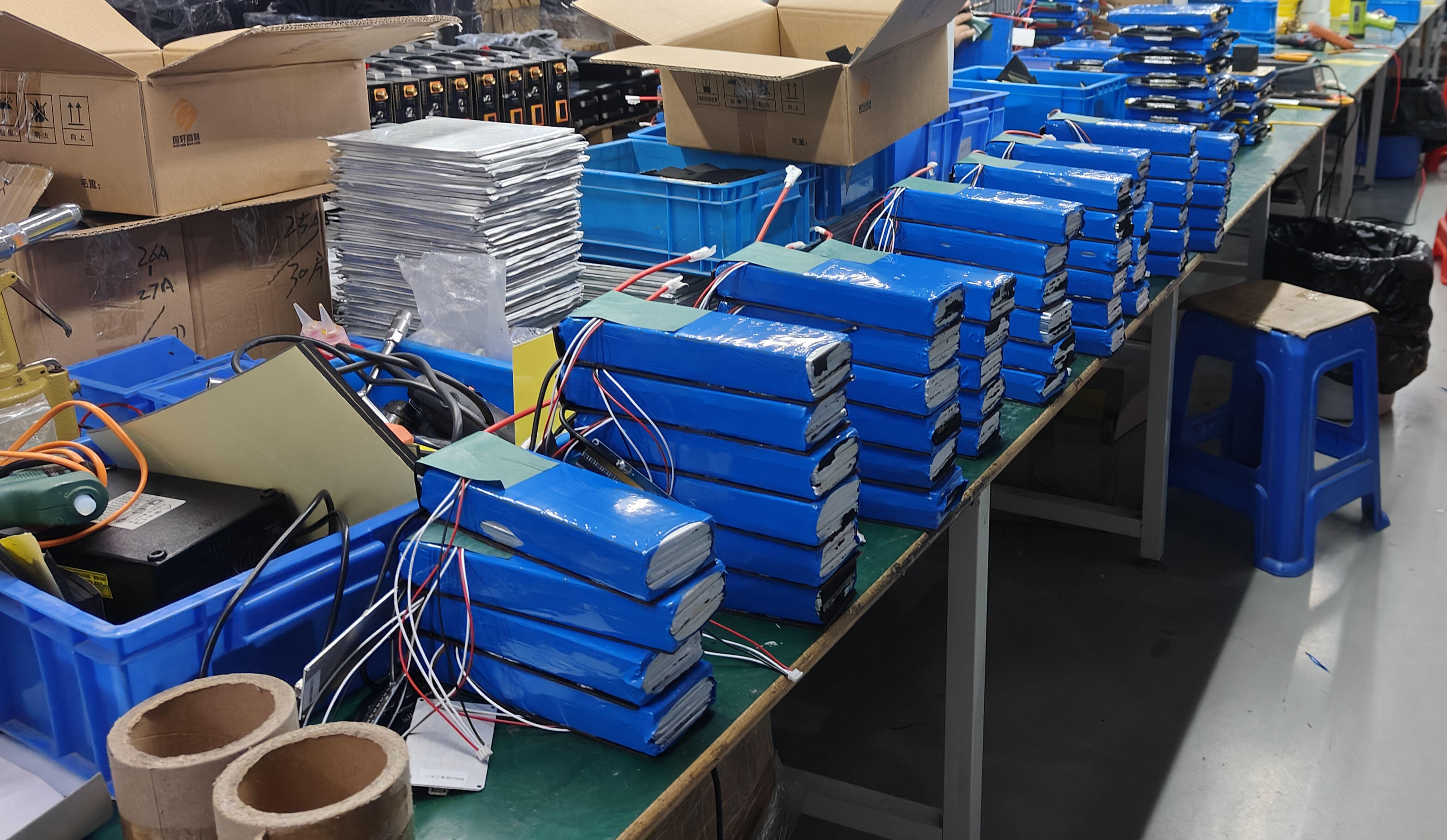
In today's technology-driven world, battery selection has become increasingly critical for both consumers and industrial applications. The 18650 battery stands out as one of the most versatile and widely adopted lithium-ion cell formats, powering everything from laptops and flashlights to electric vehicles and power tools. Understanding the differences between 18650 batteries and alternative battery types can help you make informed decisions for your specific power requirements. This comprehensive comparison will examine the advantages, limitations, and optimal applications for various battery technologies to guide your purchasing decisions.
Understanding 18650 Battery Technology
Core Specifications and Design
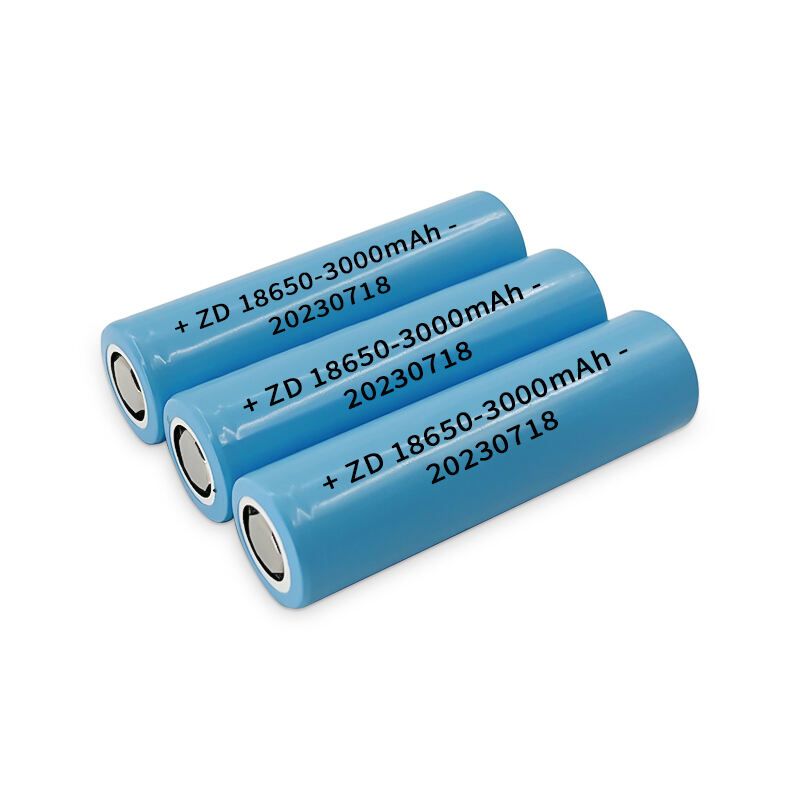
The 18650 battery derives its name from its dimensions: 18mm in diameter and 65mm in length. These cylindrical lithium-ion cells typically provide 3.6 to 3.7 volts nominal voltage with capacities ranging from 1500mAh to 3500mAh. The standardized form factor ensures compatibility across numerous devices while maintaining consistent performance characteristics. High-quality 18650 cells feature advanced safety mechanisms including pressure relief vents, current interrupt devices, and thermal protection circuits.
Manufacturing precision in 18650 battery production has reached exceptional levels, with leading manufacturers implementing strict quality control measures. The cylindrical design maximizes internal volume while providing structural integrity under various operating conditions. Advanced electrode materials and electrolyte formulations contribute to enhanced energy density and cycle life performance. Modern 18650 cells can withstand thousands of charge-discharge cycles while maintaining capacity retention above 80 percent.
Performance Characteristics and Applications
Superior discharge rate capabilities make 18650 batteries ideal for high-drain applications requiring sustained power output. These cells can safely deliver continuous currents ranging from 10 to 35 amperes depending on the specific chemistry and design. Temperature stability across wide operating ranges ensures reliable performance in diverse environmental conditions. The robust construction and proven track record have established 18650 cells as the preferred choice for critical applications including medical devices and aerospace systems.
Energy density advantages of 18650 technology translate to longer runtime and reduced weight in portable applications. Modern variants achieve energy densities exceeding 250 watt-hours per kilogram, significantly outperforming older battery technologies. Fast charging capabilities allow rapid replenishment of stored energy, with some advanced 18650 cells supporting charge rates up to 2C without compromising safety or longevity. These performance attributes make 18650 batteries particularly attractive for power-hungry devices requiring reliable operation.
Alternative Battery Technologies Comparison
AA and AAA Alkaline Batteries
Traditional alkaline batteries remain prevalent in low-power consumer electronics due to their affordability and widespread availability. However, these primary cells suffer from limited capacity and poor discharge characteristics compared to rechargeable lithium-ion alternatives. Alkaline batteries provide only 1.5 volts per cell and exhibit significant voltage drop under load, making them unsuitable for high-performance applications. The non-rechargeable nature results in ongoing replacement costs and environmental impact concerns.
Capacity limitations of alkaline cells become apparent in devices with moderate to high power requirements. While AA alkaline batteries typically offer 2500-3000mAh capacity, their effective usable capacity drops dramatically under higher discharge rates. Temperature sensitivity further reduces performance in cold environments, limiting their applicability in outdoor or industrial settings. The linear voltage decline throughout the discharge cycle can cause devices to malfunction before the battery is fully depleted.
Lithium Polymer and Prismatic Cells
Lithium polymer batteries offer flexible form factors and can be manufactured in custom shapes to fit specific device requirements. These pouch-style cells eliminate the rigid cylindrical constraints of traditional batteries, enabling thinner device designs. However, lithium polymer technology generally provides lower energy density compared to high-quality 18650 cells and requires more complex protection circuits. The soft packaging makes these batteries more susceptible to physical damage and swelling issues.
Prismatic lithium-ion cells attempt to maximize space utilization through rectangular form factors but often sacrifice thermal management capabilities. The larger surface area can lead to uneven heating during high-rate discharge or charging operations. Manufacturing costs for custom prismatic cells typically exceed those of standardized cylindrical formats like 18650 battery packs. Quality control becomes more challenging with prismatic designs, potentially resulting in greater cell-to-cell variation within battery packs.
Performance Analysis and Selection Criteria
Energy Density and Power Delivery
Energy density measurements reveal significant advantages for 18650 technology over conventional battery types. Premium 18650 cells achieve volumetric energy densities exceeding 700 watt-hours per liter, substantially higher than alkaline or nickel-based alternatives. This translates to longer operating times and reduced battery pack size for equivalent energy storage. Power delivery capabilities of modern 18650 cells support instantaneous current spikes required by motors, inverters, and other high-power devices.
Continuous discharge ratings demonstrate the superior performance envelope of 18650 batteries in demanding applications. While alkaline cells may provide adequate performance for low-drain devices like remote controls, they cannot sustain the current levels required by power tools or electric vehicles. The flat discharge curve of lithium-ion technology maintains consistent voltage output throughout most of the discharge cycle, ensuring stable device operation. This characteristic proves particularly valuable for sensitive electronics requiring precise voltage regulation.
Lifecycle Cost and Reliability
Long-term economic analysis favors rechargeable 18650 batteries over disposable alternatives for most applications. Despite higher initial investment costs, the ability to recharge thousands of times results in significantly lower per-use costs. Reliability testing demonstrates exceptional durability of quality 18650 cells under various stress conditions including temperature cycling, vibration, and overcharge scenarios. Proper battery management systems can further extend operational life while maintaining safety standards.
Environmental considerations increasingly influence battery selection decisions as sustainability becomes paramount. The rechargeable nature of 18650 technology dramatically reduces waste generation compared to single-use alkaline cells. Established recycling programs for lithium-ion batteries help recover valuable materials while minimizing environmental impact. Total cost of ownership calculations should include disposal fees and environmental compliance costs when comparing battery technologies for large-scale deployments.
Application-Specific Recommendations
Consumer Electronics and Portable Devices
High-performance flashlights and LED torches benefit tremendously from 18650 battery technology due to superior current delivery capabilities and extended runtime. The consistent voltage output ensures maximum brightness throughout the discharge cycle without the gradual dimming characteristic of alkaline cells. Laptop computers and tablets increasingly rely on 18650-based battery packs for their combination of energy density and safety features. Gaming devices and portable entertainment systems require the sustained power delivery that only advanced lithium-ion technology can provide.
Wireless communication devices including smartphones and tablets demand batteries capable of handling variable power loads efficiently. The 18650 format enables manufacturers to optimize battery pack configurations for specific device requirements while maintaining standardized cell procurement. Emergency backup systems rely on the low self-discharge characteristics and long shelf life of quality 18650 cells. Photography equipment benefits from the stable voltage output and high current capability needed for flash units and motor drives.
Industrial and Professional Applications
Electric power tools represent one of the most demanding applications for portable battery technology, requiring high current delivery and durability. Professional-grade 18650 battery packs can sustain the power requirements of cordless drills, saws, and impact drivers throughout extended work periods. The rapid charging capabilities enable minimal downtime between uses, crucial for productivity in commercial environments. Robust construction and safety features ensure reliable operation even under harsh working conditions.
Electric vehicle applications increasingly rely on 18650 technology for main propulsion batteries due to proven performance and safety records. The cylindrical format facilitates efficient thermal management in large battery packs through optimized cooling system design. Medical devices requiring reliable power sources benefit from the consistent performance and long cycle life of quality 18650 cells. Renewable energy storage systems utilize 18650 technology for grid-scale applications where performance and longevity are critical factors.
FAQ
How long do 18650 batteries typically last compared to alkaline batteries?
Quality 18650 batteries can last 3-5 years or 500-1000+ charge cycles depending on usage patterns and charging practices. In contrast, alkaline batteries are single-use and must be replaced after each discharge cycle. For high-drain applications, 18650 cells provide significantly longer runtime per charge compared to alkaline batteries of similar size. The rechargeable nature of 18650 technology makes them more cost-effective over time despite higher initial purchase prices.
Are 18650 batteries safe for consumer use in various devices?
Modern 18650 batteries incorporate multiple safety features including protection circuits, pressure relief vents, and current interrupt devices. When purchased from reputable manufacturers and used with appropriate chargers, these batteries maintain excellent safety records. However, counterfeit or low-quality cells may lack proper safety mechanisms and should be avoided. Always use batteries with built-in protection circuits and compatible charging systems to ensure safe operation.
What factors should I consider when choosing between 18650 and other battery types?
Consider your device's power requirements, usage frequency, and total cost of ownership when selecting battery technology. For high-drain applications requiring frequent use, 18650 batteries typically provide better value and performance. Low-power devices used infrequently may be adequately served by alkaline cells. Factor in charging infrastructure requirements, as 18650 batteries need compatible chargers while alkaline cells require no charging equipment but generate ongoing replacement costs.
Can I replace other battery types with 18650 cells in existing devices?
Direct replacement depends on physical dimensions, voltage requirements, and device design specifications. Many devices designed for multiple AA cells can be adapted to use 18650 batteries with appropriate battery holders and voltage regulation. However, the higher voltage of lithium-ion cells may require circuit modifications to prevent damage to sensitive electronics. Always consult device manuals or technical support before attempting battery type conversions to ensure compatibility and safety.