
 EN
EN
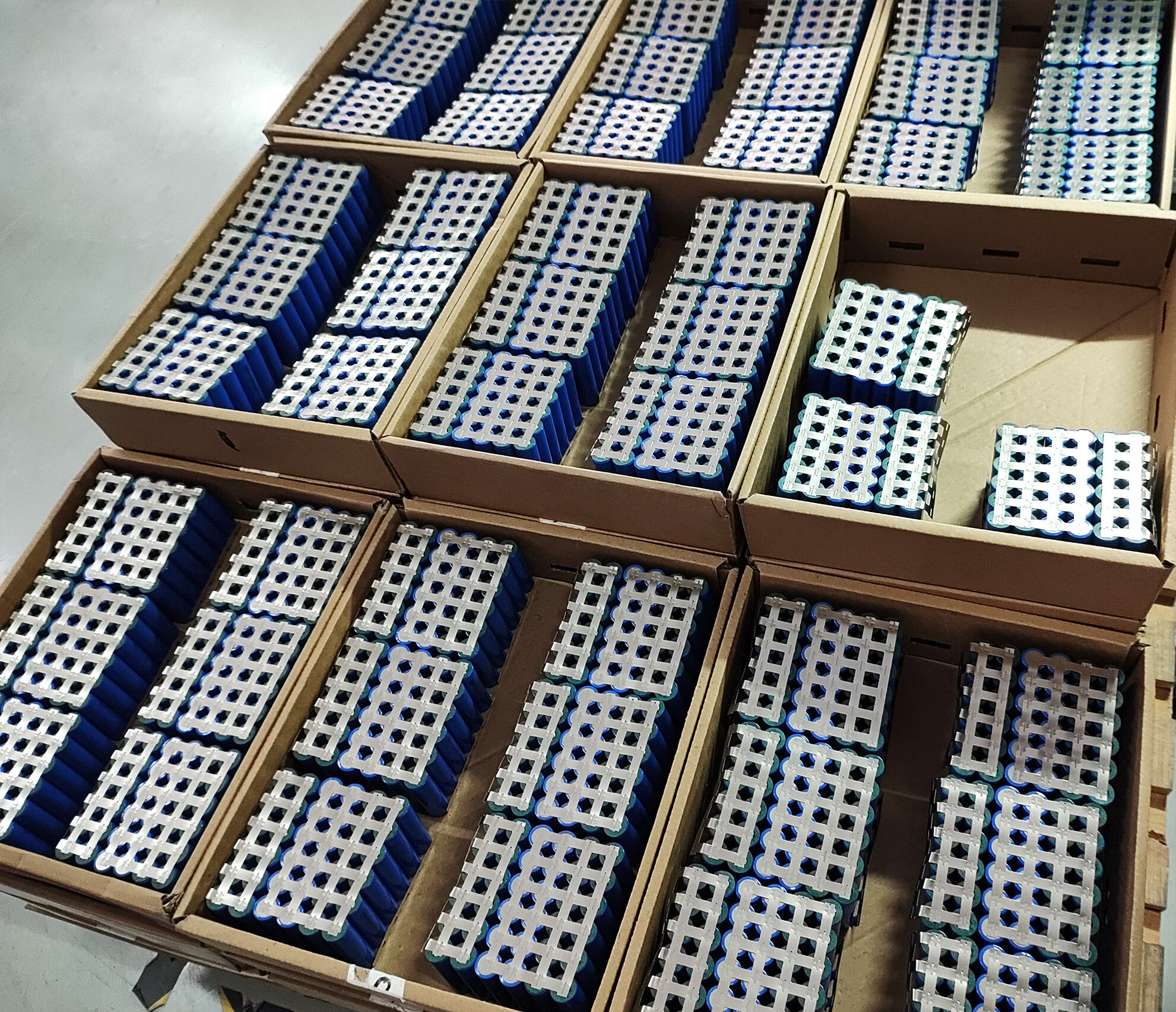
The evolution of energy storage technology has reached a pivotal moment in 2025, with lithium battery pack solutions leading the charge across multiple industries. From electric vehicles to renewable energy systems, these advanced power storage solutions have become indispensable for modern applications requiring reliable, efficient, and long-lasting energy storage. Understanding the intricacies of lithium battery pack technology enables businesses and individuals to make informed decisions that align with their specific power requirements and operational objectives.
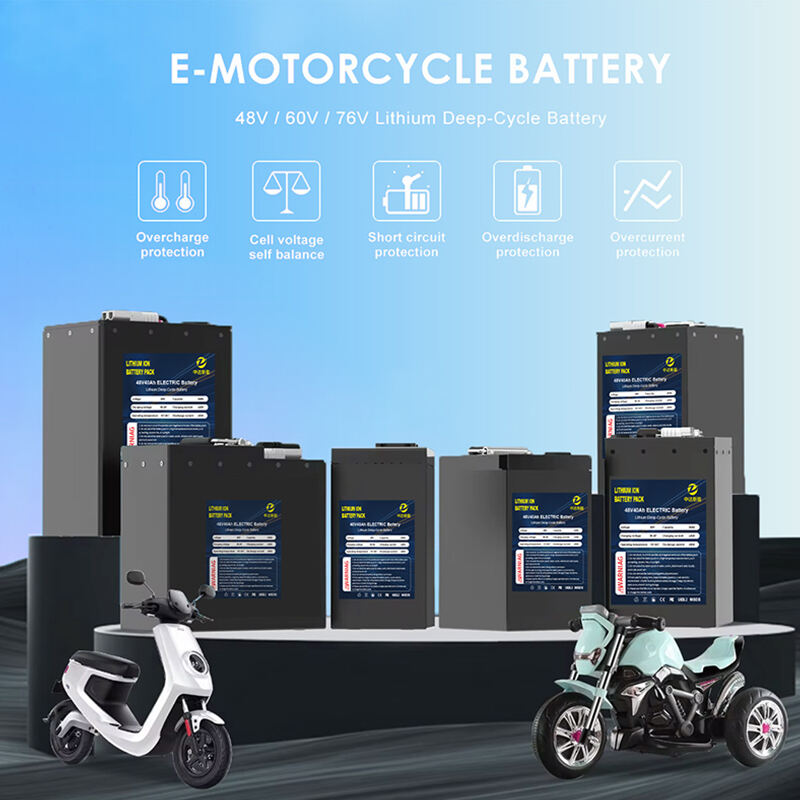
Understanding Lithium Battery Pack Technology
Core Components and Architecture
Modern lithium battery pack systems consist of multiple interconnected cells that work together to deliver consistent power output. The fundamental architecture includes lithium-ion cells, battery management systems, thermal management components, and protective housing designed to optimize performance while ensuring safety. Each cell within the pack contains lithium compounds that facilitate the electrochemical reactions necessary for energy storage and release.
The battery management system serves as the intelligent control center, monitoring individual cell voltages, temperatures, and current flow to prevent overcharging, deep discharge, and thermal runaway conditions. Advanced lithium battery pack designs incorporate sophisticated algorithms that balance cell charging and extend overall pack lifespan through precise monitoring and control mechanisms.
Chemical Variations and Performance Characteristics
Different lithium chemistries offer distinct advantages depending on application requirements. Lithium iron phosphate delivers exceptional safety characteristics and cycle life, making it ideal for stationary storage applications. Lithium cobalt oxide provides high energy density for portable electronics, while lithium manganese oxide offers balanced performance for automotive applications.
The selection of appropriate lithium chemistry directly impacts the lithium battery pack performance parameters including energy density, power output, operating temperature range, and service life. Understanding these chemical differences enables optimal matching of battery technology to specific application requirements and operating conditions.
Key Selection Criteria for Lithium Battery Packs
Capacity and Voltage Requirements
Determining the appropriate capacity involves calculating total energy consumption over the intended operating period while accounting for efficiency losses and safety margins. Voltage requirements must align with system specifications to ensure compatibility with existing electrical infrastructure and connected equipment. Higher voltage configurations typically offer improved efficiency and reduced current draw, resulting in lower resistive losses during operation.
Capacity planning should consider future expansion needs and degradation over time, as lithium battery pack systems experience gradual capacity reduction throughout their operational lifespan. Proper sizing ensures adequate performance throughout the expected service life while avoiding over-specification that increases initial investment costs unnecessarily.
Environmental and Operating Conditions
Temperature extremes significantly impact lithium battery pack performance and longevity. High temperatures accelerate chemical degradation and reduce cycle life, while extremely low temperatures decrease available capacity and power output. Environmental factors including humidity, vibration, and exposure to corrosive substances must be evaluated when selecting appropriate battery technologies and protective enclosures.
Operating conditions such as charge and discharge rates, duty cycles, and depth of discharge patterns influence battery selection decisions. Applications requiring frequent deep cycling benefit from lithium iron phosphate chemistry, while high-power applications may require lithium polymer configurations optimized for rapid charge and discharge capabilities.
Installation and Integration Considerations
Mechanical Design and Mounting
Proper mechanical integration ensures secure mounting while accommodating thermal expansion and vibration isolation requirements. Lithium battery pack installations must consider weight distribution, accessibility for maintenance, and ventilation requirements to maintain optimal operating temperatures. Structural mounting systems should provide adequate support while allowing for thermal movement and service access.
Integration planning should account for cable routing, connection accessibility, and safety disconnection mechanisms. Professional installation practices include proper torque specifications for electrical connections, appropriate cable sizing for current carrying capacity, and implementation of safety protocols during commissioning and maintenance activities.
Electrical System Integration
Successful electrical integration requires careful consideration of charging system compatibility, load characteristics, and protection device coordination. Lithium battery pack systems require specialized charging algorithms that differ from traditional lead-acid battery charging profiles. Improper charging can result in reduced performance, shortened lifespan, or safety hazards.
Protection systems including fuses, circuit breakers, and monitoring equipment must be properly sized and coordinated to provide reliable operation while preventing damage from fault conditions. Ground fault protection, arc fault detection, and emergency shutdown capabilities enhance system safety and regulatory compliance in commercial installations.
Maintenance and Lifecycle Management
Preventive Maintenance Protocols
Regular maintenance activities for lithium battery pack systems focus on monitoring performance parameters, inspecting connections, and verifying proper operation of safety systems. Unlike traditional battery technologies, lithium systems require minimal electrolyte maintenance but benefit from periodic capacity testing and cell balancing verification.
Monitoring systems provide continuous data on battery health indicators including state of charge, state of health, and individual cell performance metrics. Trending this data over time enables predictive maintenance strategies that identify potential issues before they impact system performance or reliability.
End-of-Life Planning and Recycling
Responsible lifecycle management includes planning for battery replacement and recycling processes. Lithium battery pack systems typically maintain useful capacity for 10-15 years in stationary applications, after which they may be suitable for secondary applications or require proper recycling to recover valuable materials.
Recycling programs recover lithium, cobalt, nickel, and other valuable materials while preventing environmental contamination. Establishing relationships with certified recycling facilities early in the project lifecycle ensures proper disposal pathways and may provide economic benefits through material recovery credits.
Cost Analysis and Return on Investment
Initial Investment Considerations
Lithium battery pack initial costs include equipment procurement, installation, commissioning, and integration expenses. While upfront costs may exceed alternative technologies, the total cost of ownership often favors lithium solutions due to longer service life, reduced maintenance requirements, and superior performance characteristics.
Cost analysis should include energy efficiency benefits, reduced infrastructure requirements, and potential revenue opportunities from grid services or demand charge management. Many lithium battery pack installations qualify for incentives, rebates, or favorable financing terms that improve project economics and accelerate payback periods.
Long-term Economic Benefits
Extended service life and minimal maintenance requirements contribute to favorable long-term economics for lithium battery pack investments. Higher round-trip efficiency reduces energy costs in cycling applications, while faster charging capabilities may enable revenue generation through demand response programs or peak shaving applications.
Technological improvements and manufacturing scale continue to drive cost reductions in lithium battery pack pricing, improving project economics for new installations. Early adopters benefit from established technology with proven performance while later projects benefit from reduced equipment costs and mature installation practices.
FAQ
How long do lithium battery packs typically last?
Most high-quality lithium battery pack systems provide 10-15 years of reliable service in stationary applications, with some configurations exceeding 20 years under optimal conditions. Cycle life typically ranges from 3,000 to 8,000 cycles depending on chemistry, operating conditions, and depth of discharge patterns. Proper installation, maintenance, and operating practices significantly influence actual service life.
What safety considerations are important for lithium battery pack installations?
Safety considerations include proper ventilation to prevent gas accumulation, fire suppression systems appropriate for lithium battery fires, and emergency shutdown procedures. Installation should comply with applicable electrical codes and standards, including proper grounding, overcurrent protection, and thermal management. Regular safety inspections and staff training on lithium battery hazards are essential for safe operation.
Can lithium battery packs be used in extreme temperature environments?
Specialized lithium battery pack configurations can operate in temperature ranges from -40°F to 140°F, though performance may be reduced at temperature extremes. Cold weather reduces available capacity and power output, while high temperatures accelerate aging and require enhanced thermal management. Climate-controlled enclosures or heating systems may be necessary for optimal performance in extreme environments.
What factors affect lithium battery pack charging time?
Charging time depends on battery capacity, charger power rating, initial state of charge, and temperature conditions. Most lithium battery pack systems can accept rapid charging up to 1C rate without damage, enabling full charging in approximately one hour under optimal conditions. Charging rates may be reduced at temperature extremes or when batteries approach full capacity to ensure safe operation and maximize lifespan.