
 EN
EN
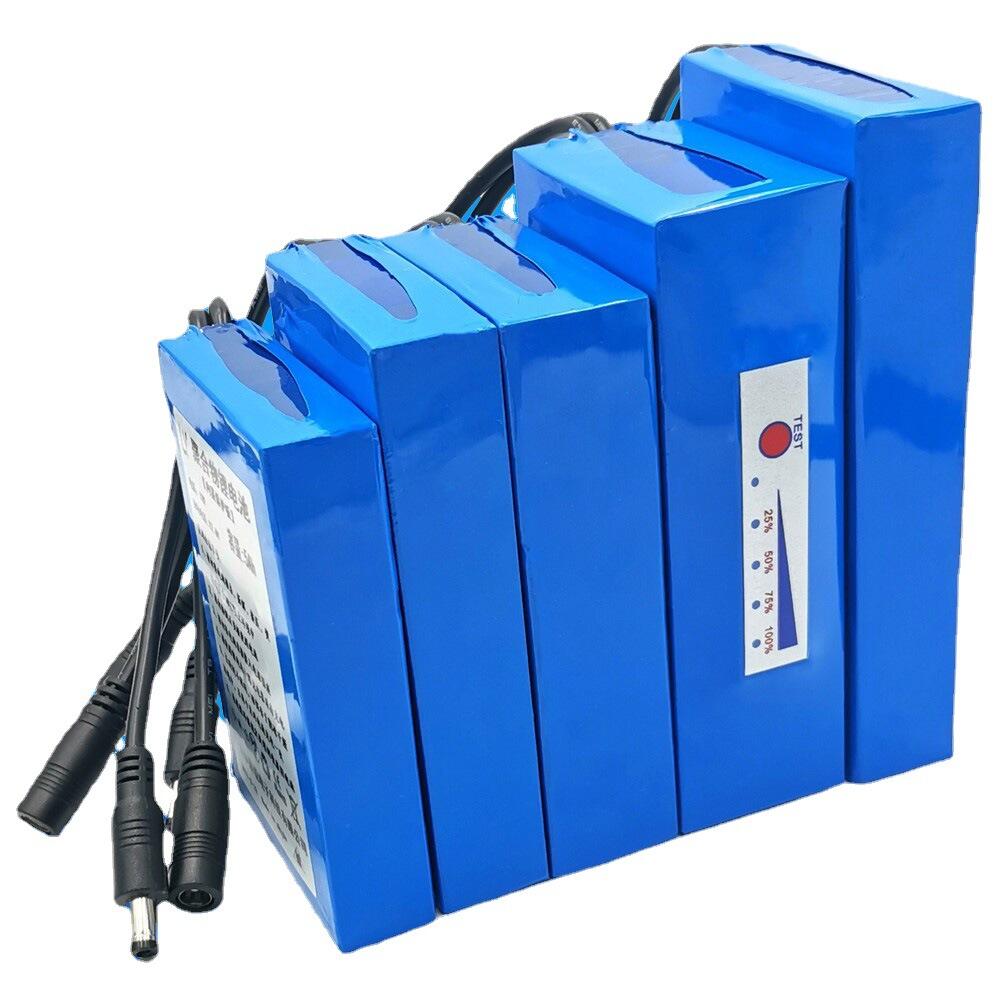
The 18650 battery has become the backbone of modern portable energy solutions, powering everything from laptops and electric vehicles to high-performance flashlights and vaping devices. Named after its dimensions—18mm diameter and 65mm length—this cylindrical lithium-ion cell represents decades of battery technology evolution. Understanding the various types, specifications, and applications of these power sources is crucial for engineers, manufacturers, and consumers seeking reliable energy solutions in 2025's rapidly advancing technological landscape.
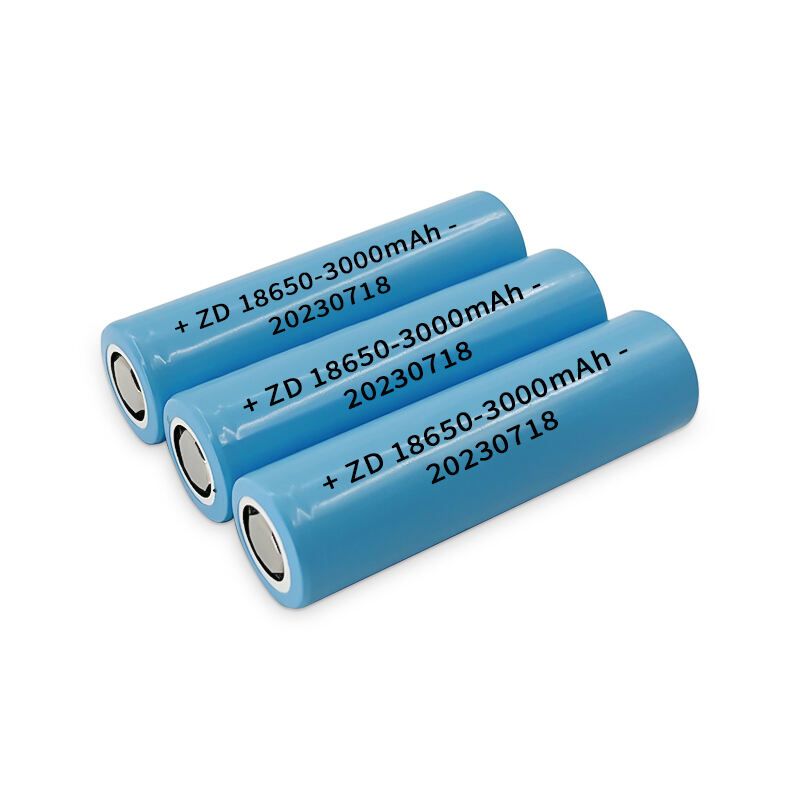
Understanding 18650 Battery Chemistry and Construction
Lithium-Ion Chemistry Variants
The most common 18650 battery utilizes lithium-ion technology, which offers exceptional energy density and relatively low self-discharge rates. Within this category, several chemistry variations exist, each optimized for specific applications. Lithium Cobalt Oxide (LiCoO2) cells provide high energy density but limited power output, making them ideal for consumer electronics where longevity matters more than peak performance. Lithium Manganese Oxide (LiMn2O4) variants offer better thermal stability and higher discharge rates, commonly found in power tools and electric bike applications.
Lithium Iron Phosphate (LiFePO4) represents another significant chemistry type, prioritizing safety and cycle life over energy density. These cells can withstand thousands of charge cycles while maintaining stable performance characteristics. The newer Lithium Nickel Manganese Cobalt Oxide (NMC) chemistry strikes a balance between energy density, power output, and safety, making it increasingly popular in automotive and industrial applications where performance consistency is paramount.
Cell Construction and Safety Features
Modern 18650 cells incorporate multiple safety mechanisms to prevent catastrophic failure during operation. The positive terminal typically features a Positive Temperature Coefficient (PTC) device that increases resistance when the cell overheats, effectively limiting current flow. Internal pressure relief vents allow controlled gas release if internal pressure builds due to overcharging or thermal runaway conditions. Many premium cells also include internal circuit protection modules that monitor voltage, current, and temperature parameters.
The cell's construction involves a spirally wound electrode assembly housed within a steel canister. The separator material, typically made from polyethylene or polypropylene, prevents internal short circuits while allowing ion flow. Advanced manufacturing techniques ensure consistent electrode coating thickness and proper electrolyte distribution, directly impacting the cell's performance characteristics and lifespan. Quality control measures during production significantly influence the final product's reliability and safety profile.
Capacity and Performance Specifications
Capacity Ratings and Real-World Performance
Battery capacity, measured in milliamp-hours (mAh), indicates how much charge a cell can store and deliver under specific conditions. Standard 18650 cells range from 1800mAh to over 3500mAh, with higher-capacity variants becoming increasingly common. However, capacity ratings are typically measured under ideal laboratory conditions using low discharge rates, which may not reflect real-world performance. Applications requiring high current draw will experience reduced effective capacity due to voltage sag and internal heating effects.
The relationship between capacity and discharge rate follows Peukert's law, where higher current draws result in proportionally reduced usable capacity. Premium cells maintain better capacity retention under various load conditions through improved internal construction and optimized electrode materials. Temperature also significantly affects capacity performance, with cold conditions reducing available capacity while excessive heat can permanently damage the cell's chemistry and reduce overall lifespan.
Discharge Rate Capabilities
Discharge rate capability, expressed as C-rating, determines how quickly a cell can safely deliver its stored energy. A 1C discharge rate means the cell can deliver its full rated capacity in one hour, while higher C-ratings indicate faster discharge capabilities. High-drain applications like power tools and electric vehicles require cells capable of 10C to 30C discharge rates, though this comes at the cost of reduced capacity and increased heat generation during operation.
Continuous versus pulse discharge ratings represent different performance scenarios, with pulse ratings typically much higher than continuous specifications. The cell's internal resistance directly affects its discharge performance, with lower resistance enabling higher current delivery with less voltage drop. Thermal management becomes critical during high-rate discharge operations, as excessive heat can trigger safety mechanisms and potentially damage the cell's internal structure.
Applications and Industry Use Cases
Consumer Electronics Integration
Consumer electronics represent the largest market segment for 18650 battery applications, with laptops, tablets, and portable devices relying on multi-cell configurations for extended operation. These applications prioritize energy density and cycle life over maximum power output, making standard lithium-ion chemistry ideal for such implementations. Battery management systems in consumer devices carefully monitor cell conditions and implement charging algorithms to maximize lifespan while ensuring user safety.
Advanced consumer devices increasingly utilize intelligent battery management that adapts charging profiles based on usage patterns and environmental conditions. Fast-charging capabilities have become standard expectations, requiring cells that can safely accept high charging currents without compromising longevity. Thermal management within compact consumer devices presents ongoing challenges, particularly as performance demands continue increasing while device form factors remain constrained.
Electric Vehicle and E-Mobility Applications
Electric vehicles and e-mobility solutions represent rapidly growing market segments where 18650 cells provide the foundation for propulsion systems. These applications demand cells capable of high discharge rates, rapid charging, and thousands of cycle operations while maintaining consistent performance. Battery pack designs typically incorporate hundreds or thousands of individual cells connected in series and parallel configurations to achieve desired voltage and capacity specifications.
Thermal management systems in e-mobility applications actively cool battery packs during operation and charging, ensuring optimal performance and safety. Advanced battery management systems monitor individual cell voltages and temperatures, implementing balancing algorithms to maintain pack uniformity and maximize overall lifespan. The automotive industry's stringent safety requirements have driven significant improvements in cell design and manufacturing processes, benefiting all application segments.
Selection Criteria and Best Practices
Matching Battery Specifications to Application Requirements
Selecting appropriate 18650 cells requires careful consideration of application-specific requirements including capacity needs, discharge rate demands, operating temperature ranges, and expected cycle life. High-capacity cells typically offer lower maximum discharge rates, making them suitable for applications where runtime is more important than peak power output. Conversely, high-drain cells sacrifice some capacity for superior current delivery capabilities, ideal for power tools and performance-oriented devices.
Environmental conditions significantly influence cell selection, with temperature extremes requiring specialized chemistry formulations and construction techniques. Industrial applications may require cells certified to specific standards such as UN38.3 for transportation safety or UL1642 for general safety compliance. Cost considerations must balance initial purchase price against expected lifespan and performance characteristics to determine total cost of ownership over the application's intended service life.
Quality Assessment and Brand Considerations
Premium battery manufacturers invest heavily in research and development, resulting in cells with superior performance consistency and safety characteristics compared to budget alternatives. Established brands typically provide detailed specification sheets, safety certifications, and technical support resources that facilitate proper implementation. Counterfeit cells represent a significant market problem, often lacking proper safety features and performance specifications despite superficial similarity to genuine products.
Quality indicators include consistent capacity ratings across production lots, low internal resistance measurements, and comprehensive safety testing documentation. Reputable suppliers provide traceability information and manufacturing date codes that enable proper inventory management and application of appropriate charging protocols. Independent testing by third-party organizations can validate manufacturer specifications and identify potential performance issues before large-scale deployment.
Charging and Maintenance Best Practices
Optimal Charging Protocols
Proper charging protocols significantly impact cell lifespan and safety performance, with lithium-ion cells requiring constant-current followed by constant-voltage charging phases. The initial constant-current phase typically charges at rates between 0.5C and 1C until the cell reaches approximately 4.2 volts, at which point the charger transitions to constant-voltage mode. The charging current gradually decreases during the constant-voltage phase until reaching a predetermined termination threshold, typically 10% of the initial charging current.
Temperature monitoring during charging prevents thermal damage and reduces fire risk, with most quality chargers incorporating temperature sensors or thermal cutoffs. Charging rates should be reduced in extreme temperature conditions, with many manufacturers recommending no charging below 0°C or above 45°C. Fast-charging protocols can reduce total charging time but may impact long-term cell lifespan, requiring careful balance between convenience and battery longevity based on application requirements.
Storage and Maintenance Guidelines
Long-term storage requires maintaining cells at approximately 40% state of charge to minimize capacity degradation during extended periods of inactivity. Storage temperatures should remain between 10°C and 25°C in low-humidity environments to prevent corrosion and electrolyte degradation. Cells stored for extended periods require periodic capacity checks and reconditioning cycles to maintain optimal performance characteristics when returned to service.
Regular capacity testing helps identify aging cells before they impact system performance, particularly important in multi-cell applications where weak cells can limit overall pack performance. Proper disposal procedures ensure environmental compliance and material recovery, with many regions implementing specific regulations for lithium-ion battery recycling. Maintenance records documenting charge cycles, capacity measurements, and environmental exposure help predict replacement timing and optimize system reliability.
FAQ
What is the typical lifespan of an 18650 battery
The typical lifespan of an 18650 battery ranges from 300 to 1500 charge cycles, depending on the specific chemistry, operating conditions, and charging protocols used. Premium cells with advanced chemistry formulations can achieve over 2000 cycles while maintaining 80% of their original capacity. Factors such as operating temperature, discharge depth, and charging rate significantly impact overall lifespan, with moderate usage patterns extending operational life considerably.
How do I identify genuine versus counterfeit 18650 batteries
Genuine 18650 batteries feature consistent branding, proper safety certifications, and accurate capacity ratings that match independent testing results. Authentic cells typically include detailed specification sheets, manufacturing date codes, and proper safety warnings printed clearly on the wrapper. Counterfeit batteries often exhibit inconsistent printing quality, exaggerated capacity claims, and lack proper safety features such as pressure relief vents or internal protection circuits.
Can I use different brands of 18650 batteries together in the same device
Mixing different brands or models of 18650 batteries in the same device is not recommended, as variations in capacity, internal resistance, and discharge characteristics can lead to imbalanced performance and potential safety issues. When cells with different specifications are connected in series or parallel, the weaker cell limits overall performance and may be subject to overcharge or over-discharge conditions. For optimal safety and performance, always use identical cells from the same manufacturing batch when building multi-cell configurations.
What safety precautions should I follow when handling 18650 batteries
Always handle 18650 batteries with care, avoiding physical damage to the wrapper or terminals that could create safety hazards. Never short-circuit the terminals, expose cells to extreme temperatures, or attempt to disassemble the battery housing. Use appropriate chargers designed specifically for lithium-ion cells with built-in safety features such as overcharge protection and temperature monitoring. Store batteries in non-conductive cases or holders that prevent accidental contact between terminals, and dispose of damaged or end-of-life cells through proper recycling channels.